1688 Spare Parts
Buying notes
Practical tutorials for quote requests, specification checks, receiving and shipping.
-
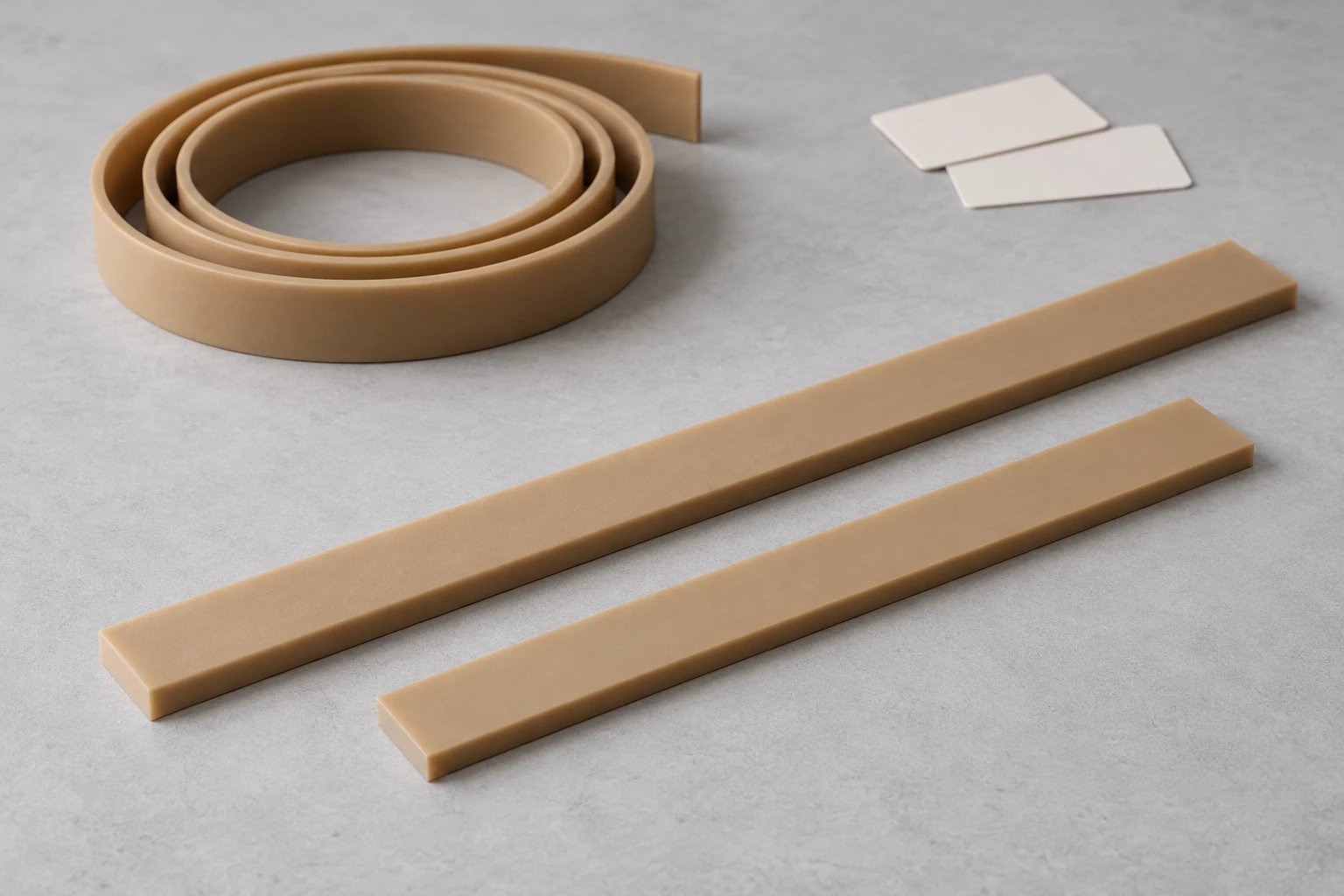
Compare each identified remnant with an approved material-consumption ticket instead of treating separate short lengths as one continuous supply.
Read article: Bearing-strip reorders: total length can hide a usable-piece shortage→ -
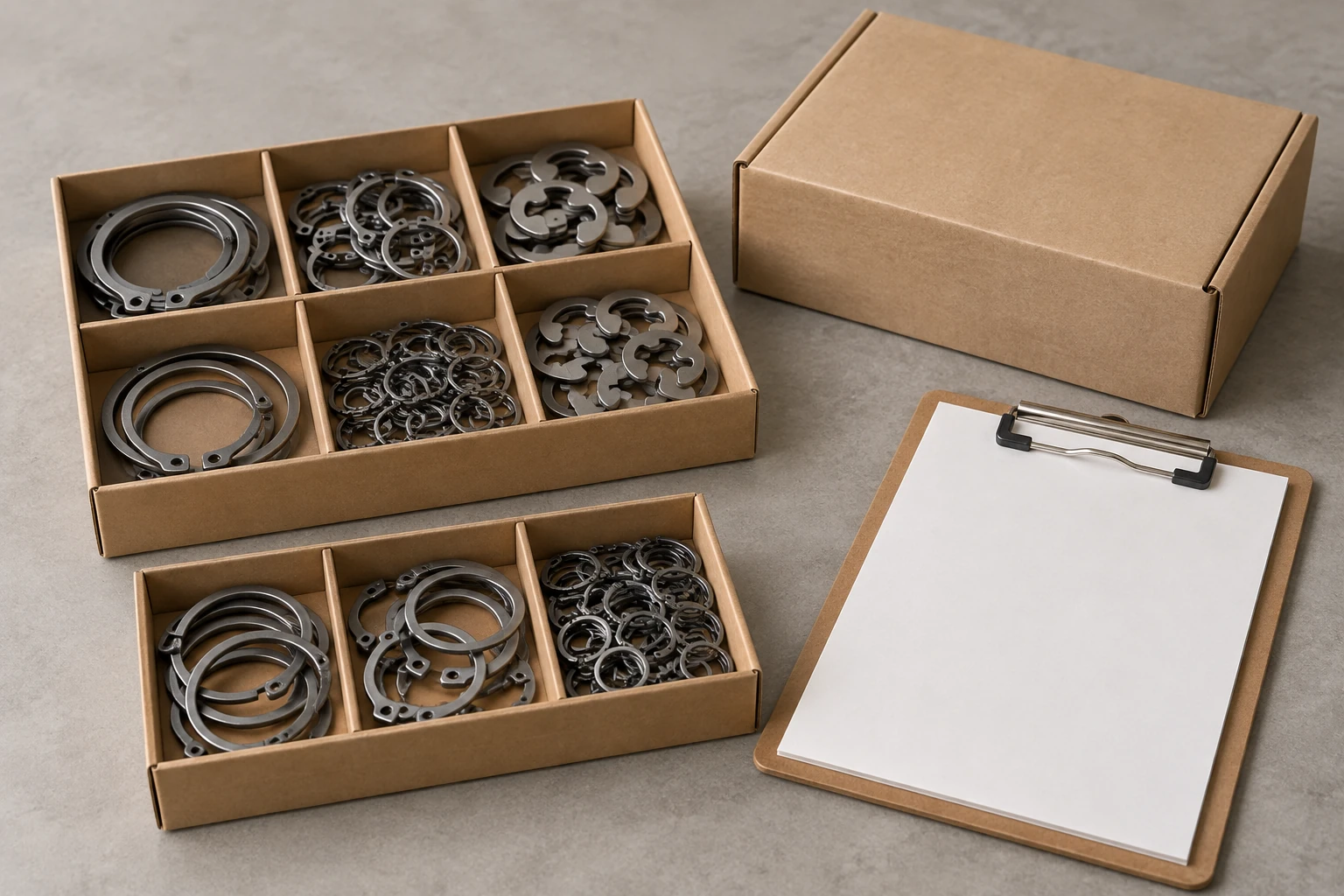
Separate a supplier-held quantity, an open release and received rings so one requirement does not generate two purchases.
Read article: Custom ring reorders: reconcile supplier stock before a new release→ -

A shelf of seal components may support planned repair work without covering a requirement for a released complete spare.
Read article: Seal inventory: distinguish complete-spare cover from repair components→ -

Track the same seal through repair so a return closes the correct stock gap without becoming a second asset on paper.
Read article: Seal replenishment: distinguish a repair return from a new stock addition→ -
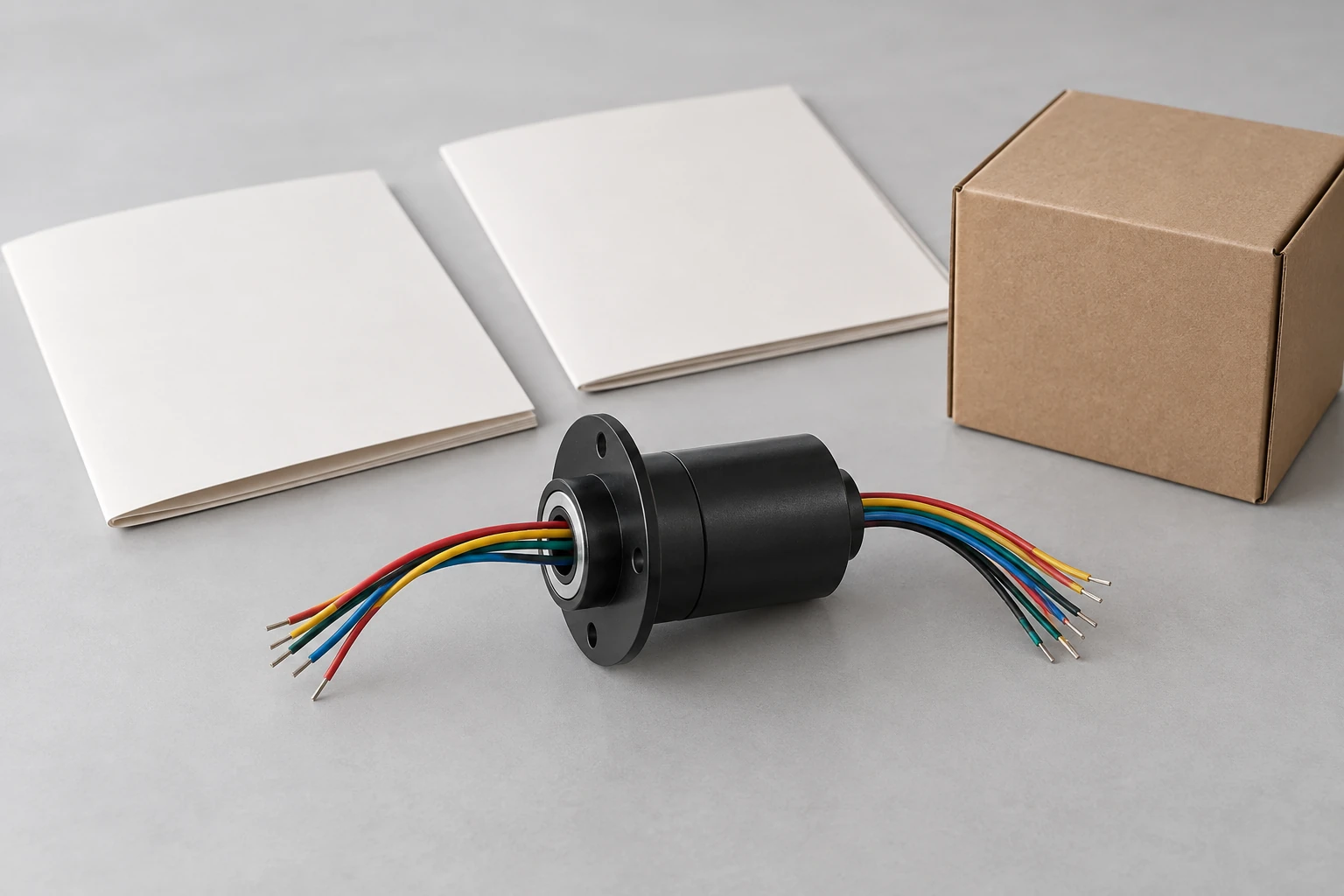
Update the ordering route without duplicating demand under old and new supplier records or assuming every historical model transferred.
Read article: Slip-ring reorders after a product-line transfer: keep one demand record→ -

Repair transfers, returns and failed units can share a stock code while representing different events for the next demand forecast.
Read article: Seal reorder history: separate store issues from actual consumption→ -

Connect the released drawing to machine applicability, order lines, inspection reports and stock before repeating a spare-parts purchase.
Read article: Reordering spare parts: control drawing revisions and changes→
