Site home Blog 1688 Spare Parts
Buying notes Practical tutorials for quote requests, specification checks, receiving and shipping.
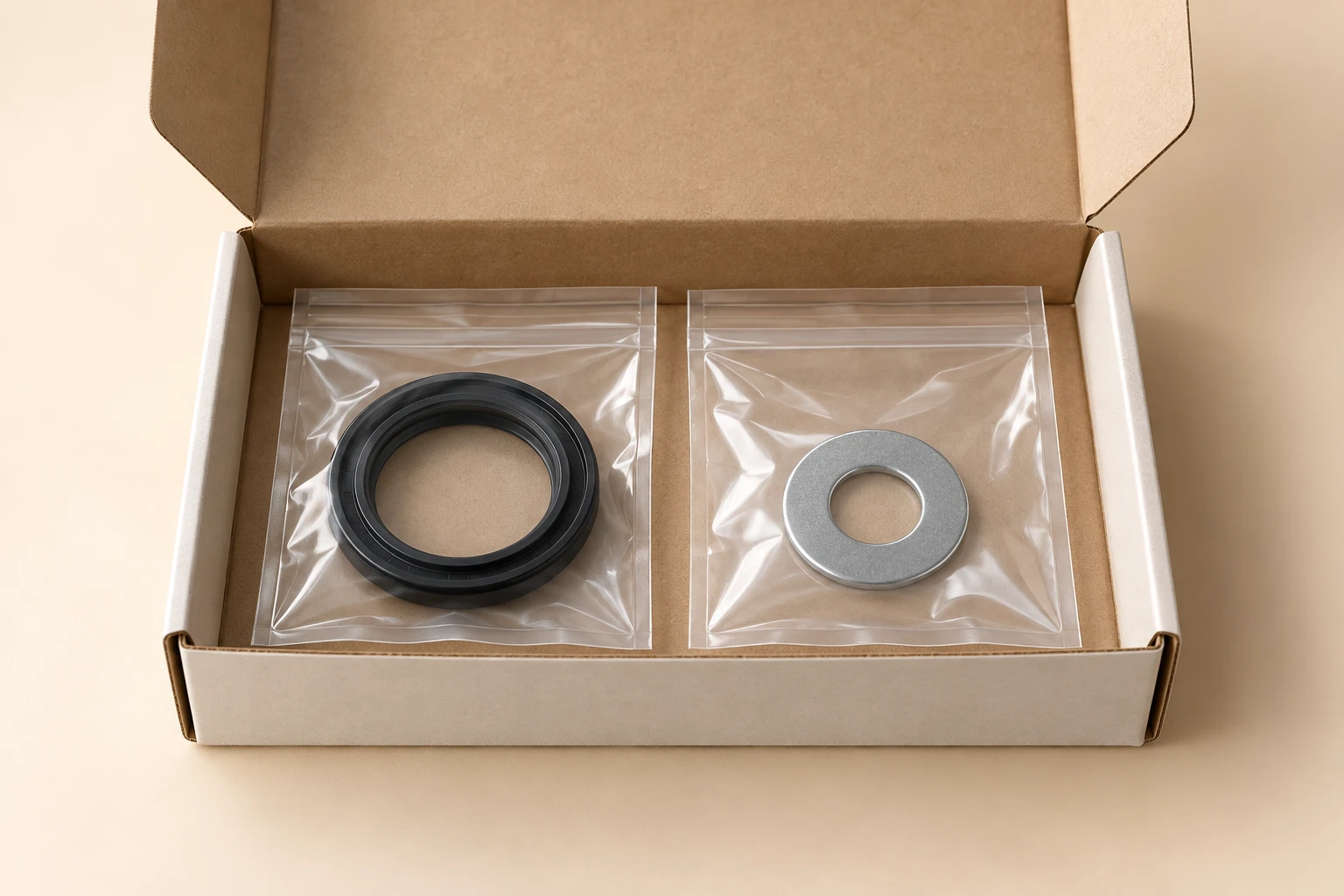
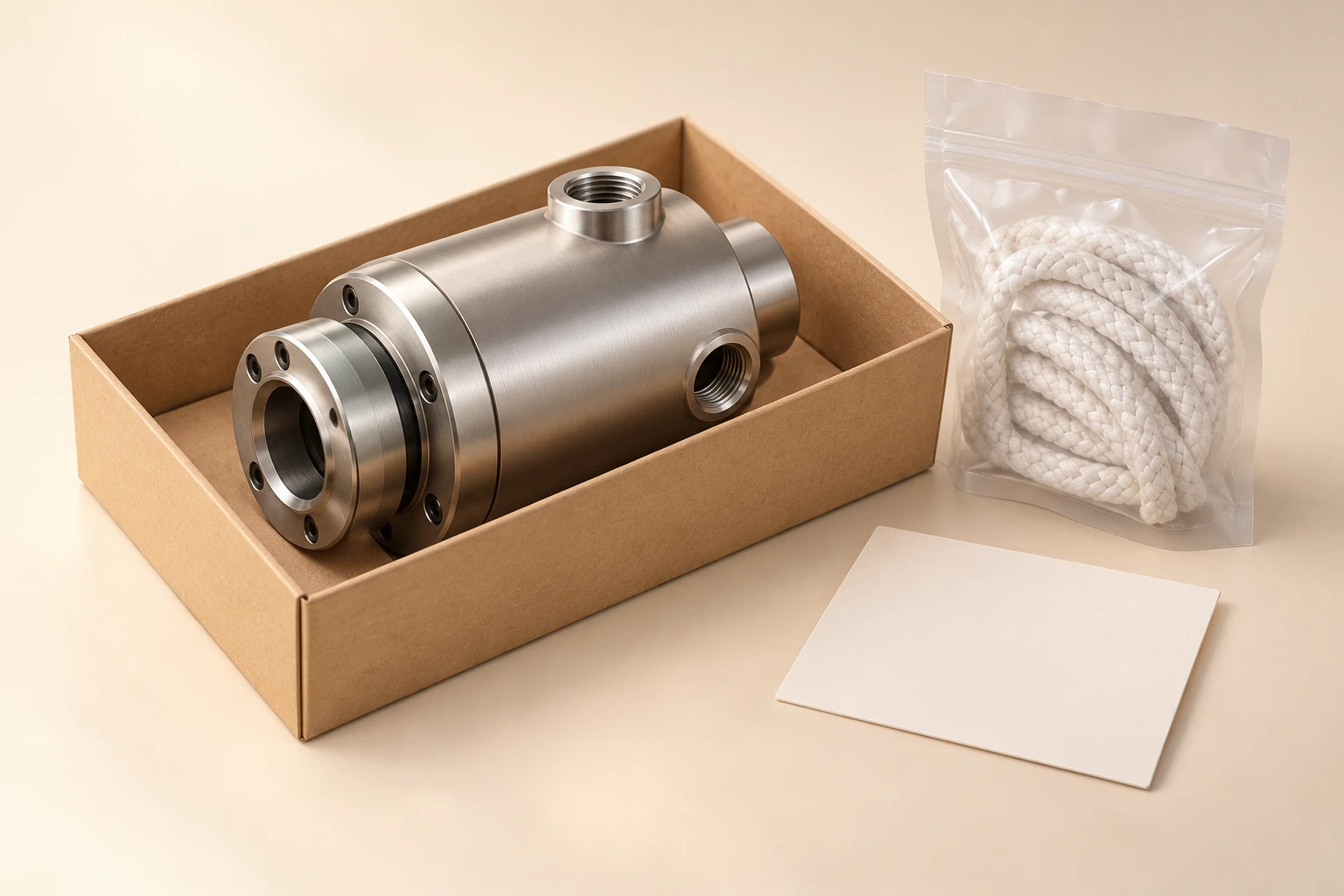
Document whether a shipped piston subassembly is supported through its installed seal and obtain an assembly-specific disposition before treating repacking as a remedy.
Read article: Piston subassembly receipt: check support contact at the seal → Compare each identified remnant with an approved material-consumption ticket instead of treating separate short lengths as one continuous supply.
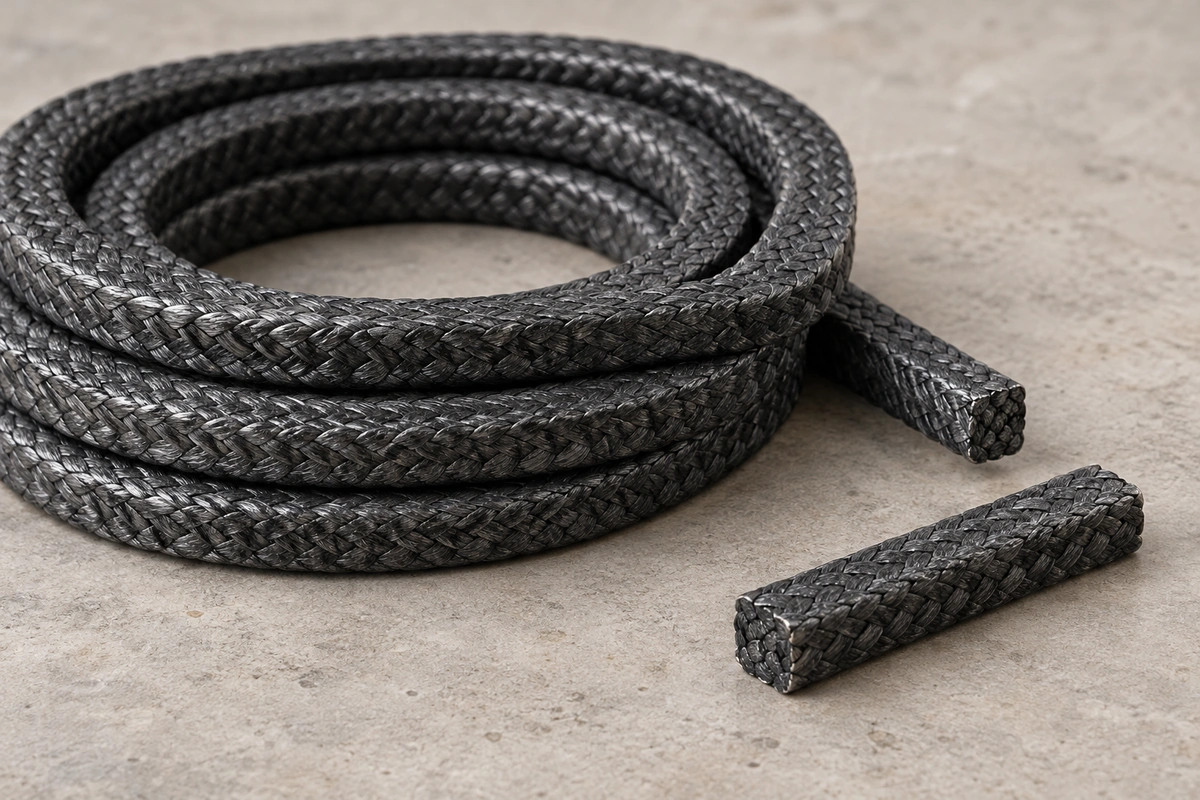
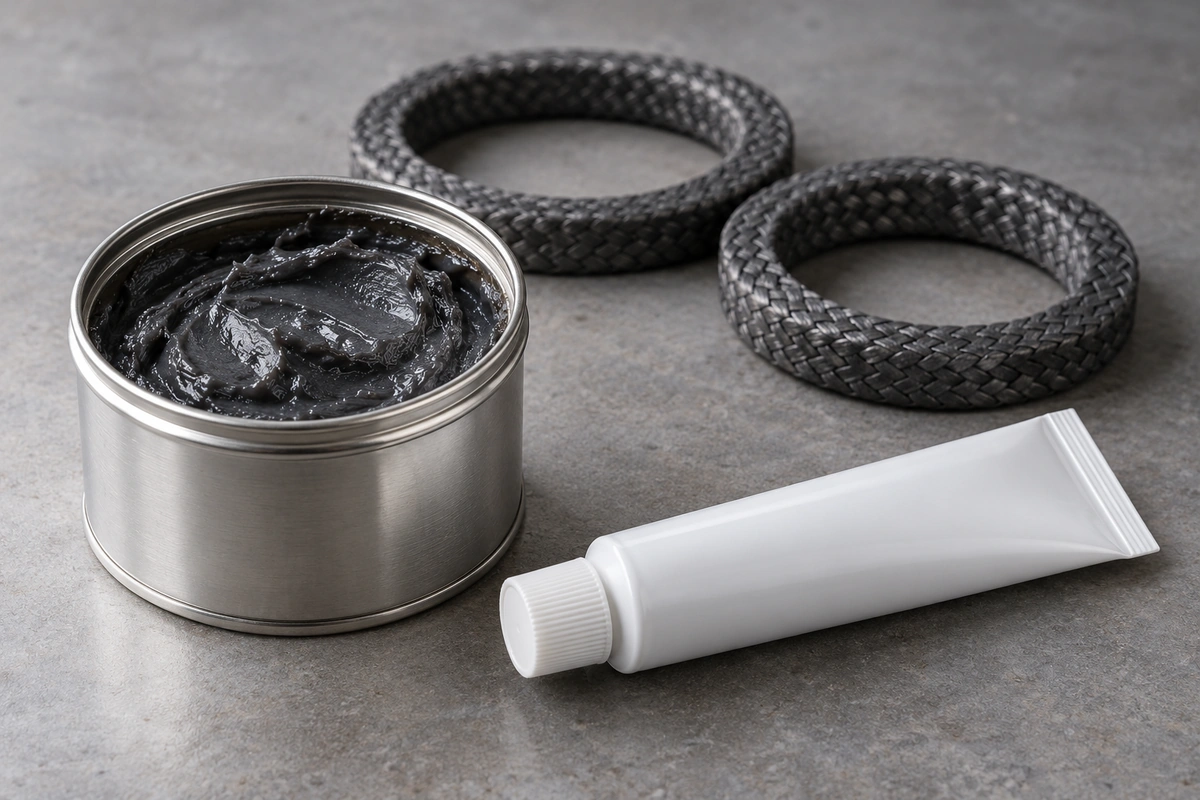
Read article: Bearing-strip reorders: total length can hide a usable-piece shortage → Compare braided packing by its specified fiber construction, impregnation and lubricant declaration instead of relying on a broad fiber label.
Read article: Braided-packing RFQ: retain impregnation and lubricant details → A post-repair calibration record answers a different question from the instrument history needed to review earlier measurements.
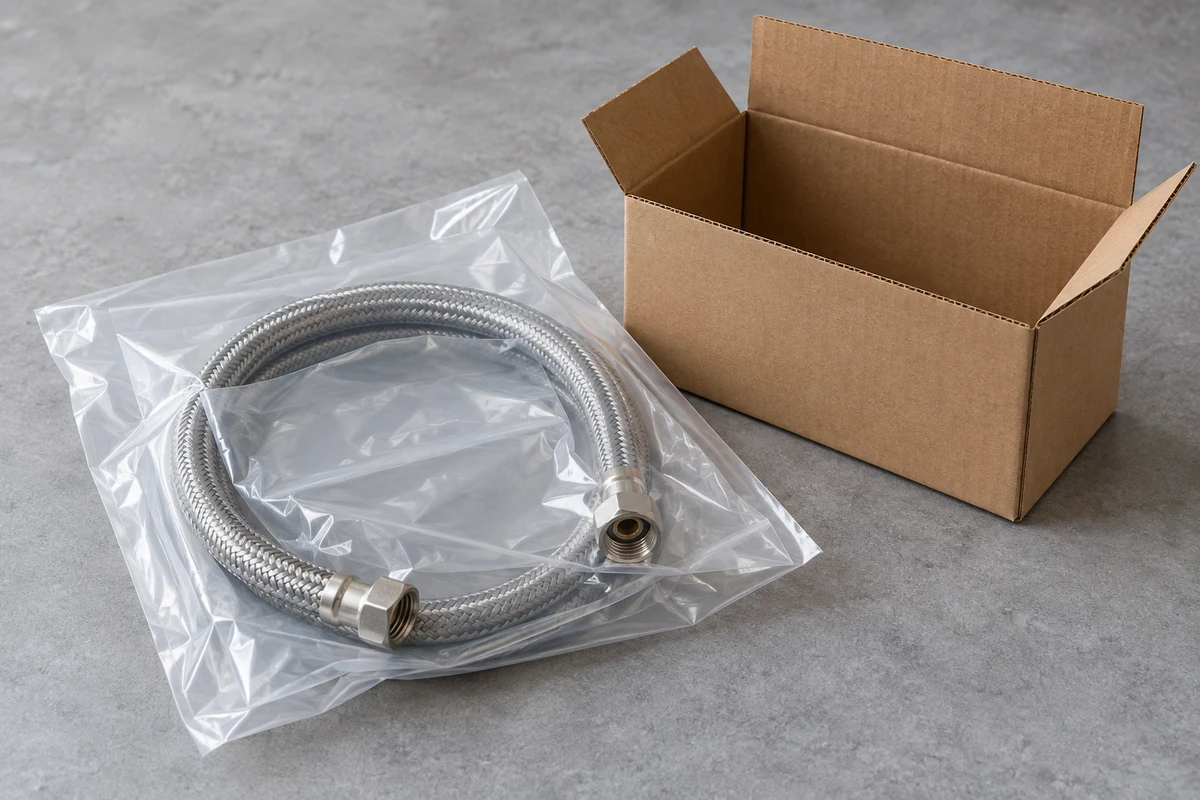
Read article: Repaired instrument handover: keep before and after results separate → Check whether a hose-kit simplification retains the separately specified destination bag layer and its actual provider support.
Read article: Cleanroom Hose Kits: Keep the Destination Bag Layer in the Supply Scope → A product-family search and an individual Product Key lookup can lead to different documentation scopes; preserve that distinction in the handover.
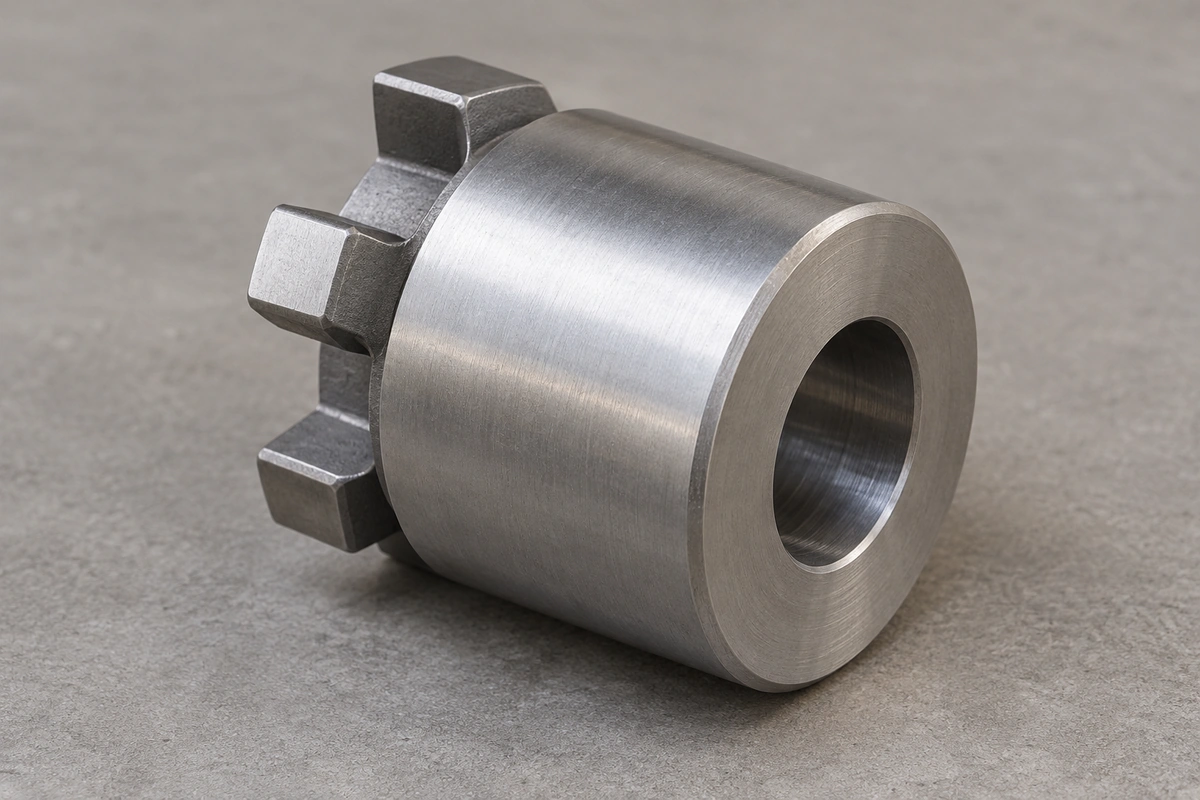
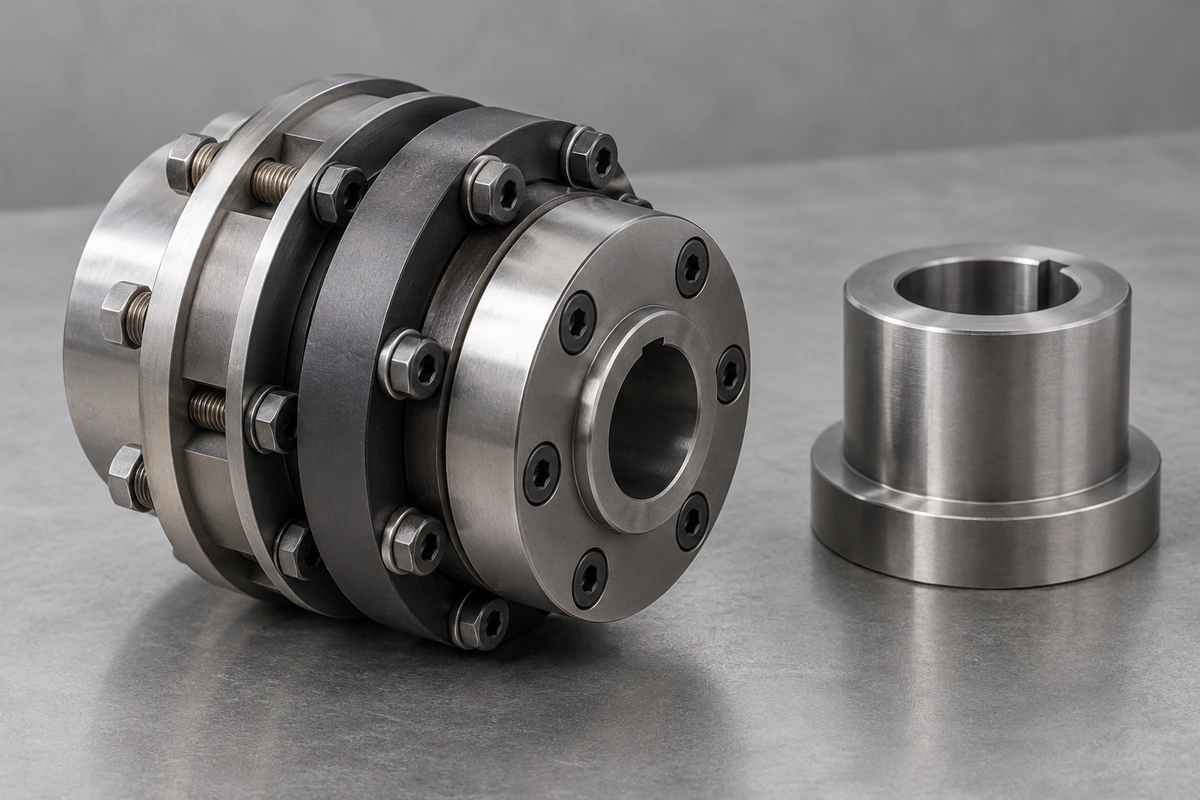
Read article: Configured-product handover: keep the individual lookup identity → Determine whether a delivered coupling hub was ordered as a machining-stage component or a finished interface before accepting extra bore work.
Read article: Coupling hub receipt: reconcile unfinished bore scope → Identify the exact coupling-spider material and hardness variant, using manufacturer-specific coding rather than color or a harder-is-better assumption.
Read article: Coupling-spider RFQ: specify material, hardness and scale → Keep a coupling spider’s documented storage exposure separate from its material identity and calendar age when requesting a qualified receipt decision.
Read article: Coupling spider receipt: review reported storage exposure → Separate a supplier-held quantity, an open release and received rings so one requirement does not generate two purchases.
Read article: Custom ring reorders: reconcile supplier stock before a new release → Budget the agreed shipment quantity range before treating a custom spring order quantity as the final freight input.
Read article: Custom Spring Freight Budgets: Use the Agreed Shipment Quantity Range → Review a delivered bearing-surface and reduced-thickness construction against the approved parallel-stack envelope before treating an explanation as acceptance.
Read article: Disc-spring receipt: review a construction change against the approved stack → Keep disc-spring dimensions, the approved force-at-deflection point and permitted deviation together when comparing replacement offers.
Read article: Disc-spring RFQ: specify force and deflection together → Map elastomer, metal and preservative contacts before accepting one outer kit, without assuming that a separator proves compatibility.
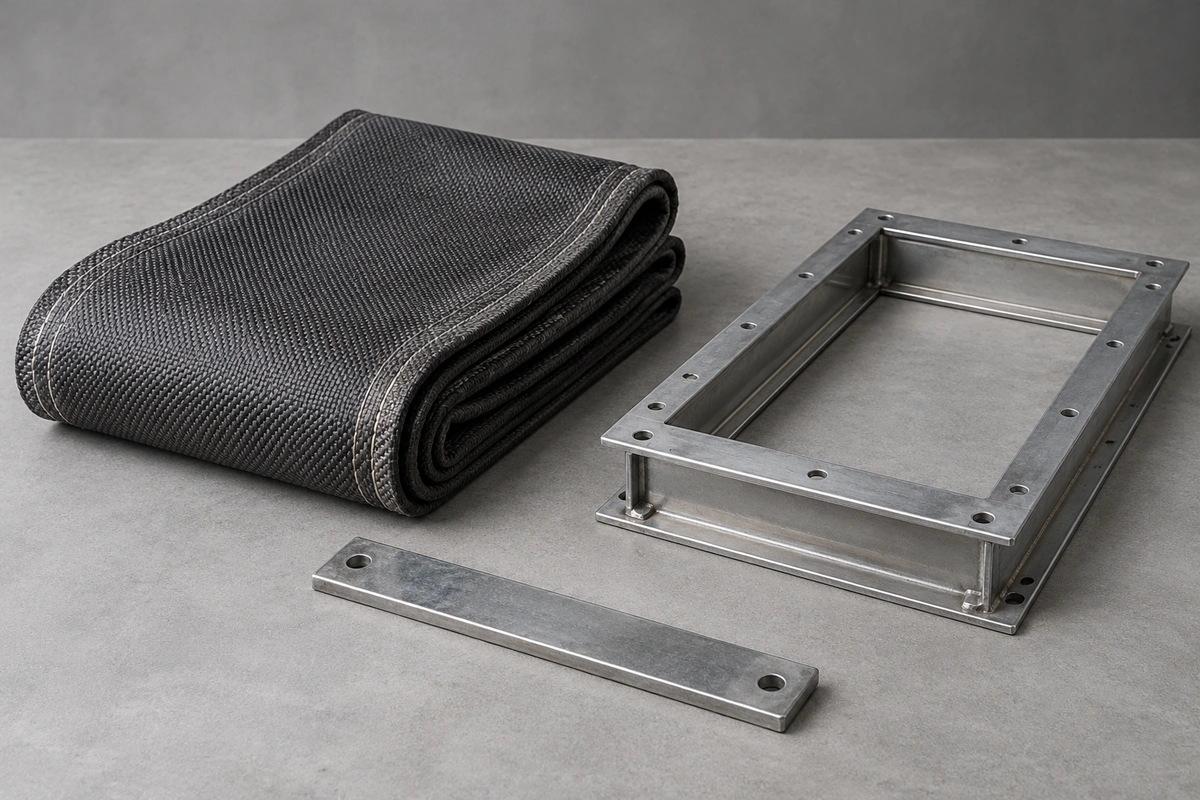
Read article: Mixed seal kits: keep metal treatments outside the seal contact plan → Separate fabric-only renewal from a preassembled replacement and identify which existing frames and associated parts the quote assumes will remain.
Read article: Fabric expansion-joint RFQ: define the renewal boundary → Preserve frame and bundle identity when several fabric joints share one part number, using the actual contract map rather than total bundle counts.
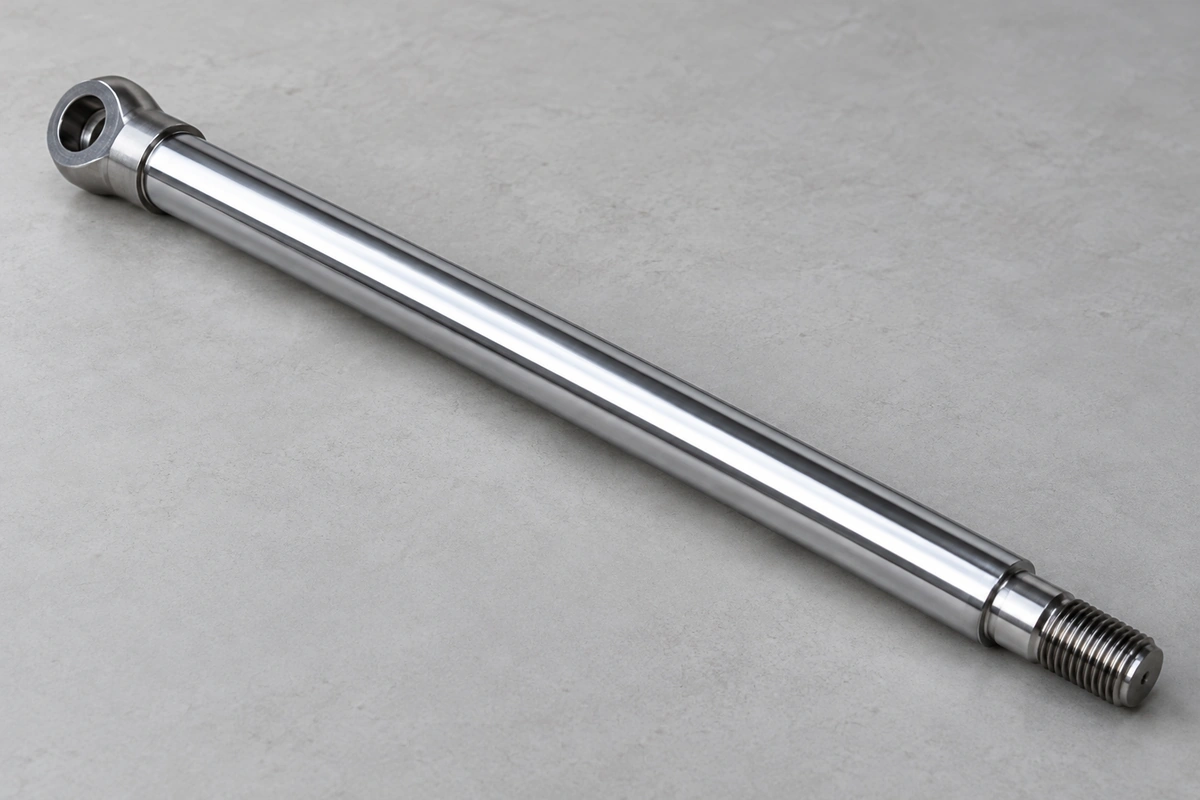
Read article: Fabric expansion joints: distinguish opposite frames across repeated units → Require a defined technical remedy and reacceptance scope when polishing is offered for a hydraulic rod concern; a shinier surface is not the acceptance target.
Read article: Hydraulic rod receipt: review a proposed polishing remedy → Identify the existing packing system, compound and retention components before comparing a refill quote with a proposed system change.
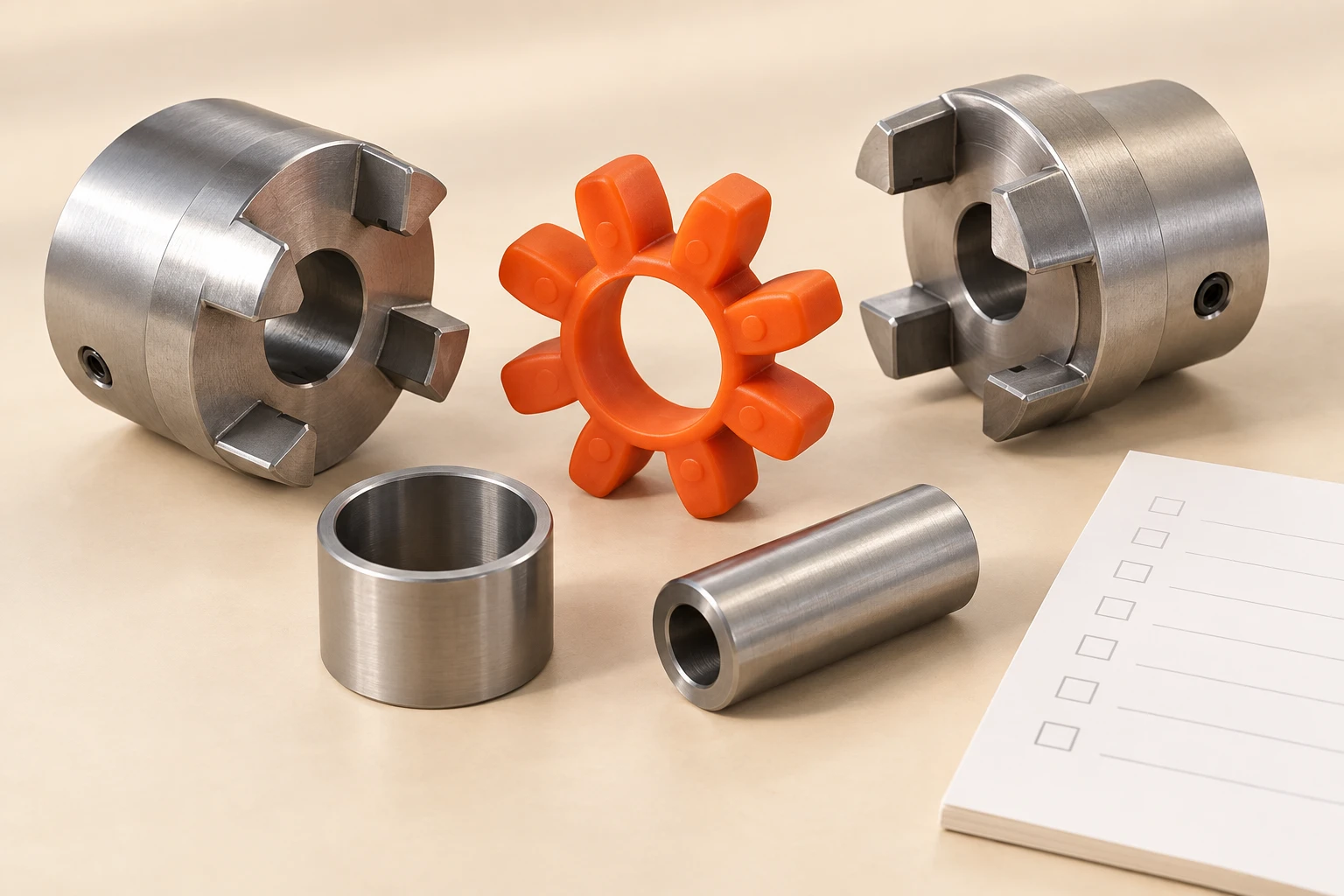
Read article: Injectable-packing RFQ: separate refill compound from system scope → Check the actual standard, spacer or taper-sleeve coupling schedule before a generic two-hub description becomes the dispatch contents list.
Read article: Jaw coupling kits: reconcile the selected variant’s parts schedule → Keep joint match marks and parallel-axis relationships attached to the released rail layout when a long guide is documented in segments.
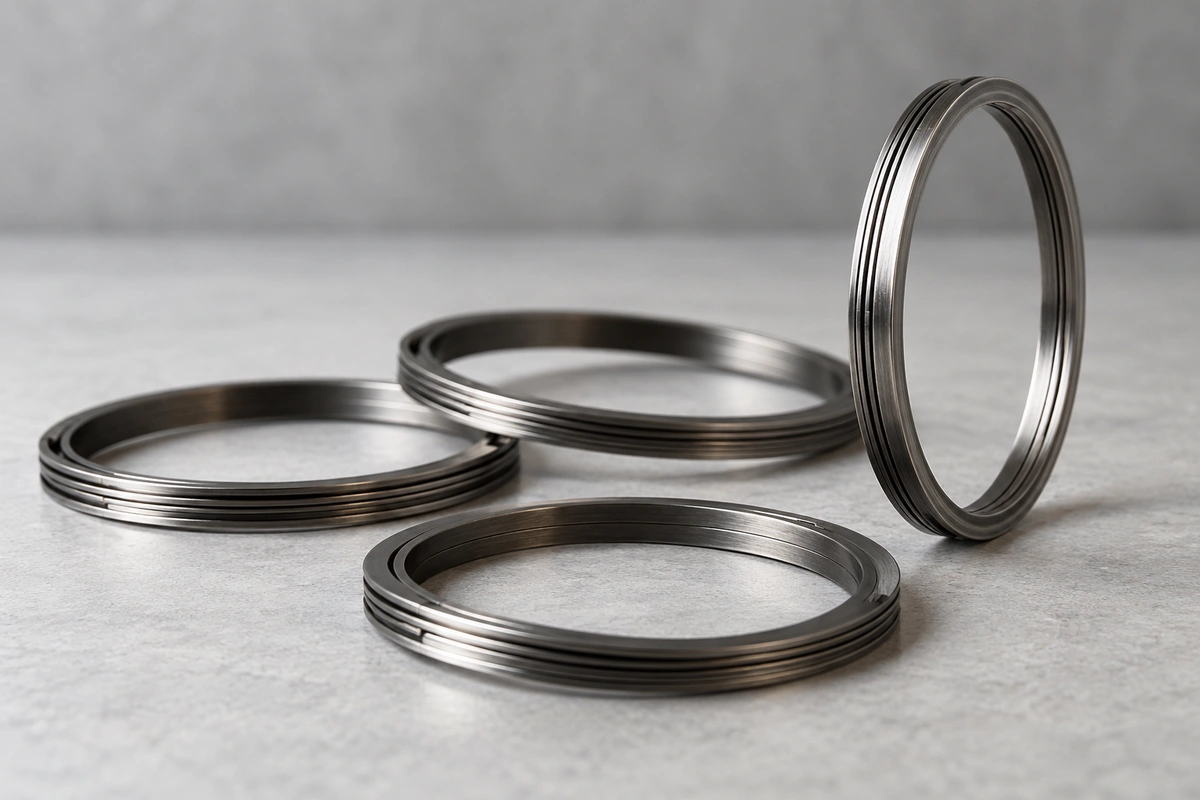
Read article: Jointed rail handover: transfer segment order, not just total length → Separate ring count, turns and supply grouping so a loose laminar ring is not mistaken for the documented labyrinth arrangement.
Read article: Laminar-seal RFQ: quote the complete ring arrangement → Review a smaller seal package against the loose component’s required relaxed state before letting carton dimensions determine its shape.
Read article: Large loose seals: resolve a compact-pack shape proposal → Carry the approved rail-and-block association into the machine documentation without treating an absent master mark as a universal defect.
Read article: LM guide handover: retain the master and reference-side record → Ask how a load-washer force was defined, which document edition applies and whether two quoted figures can actually be compared.
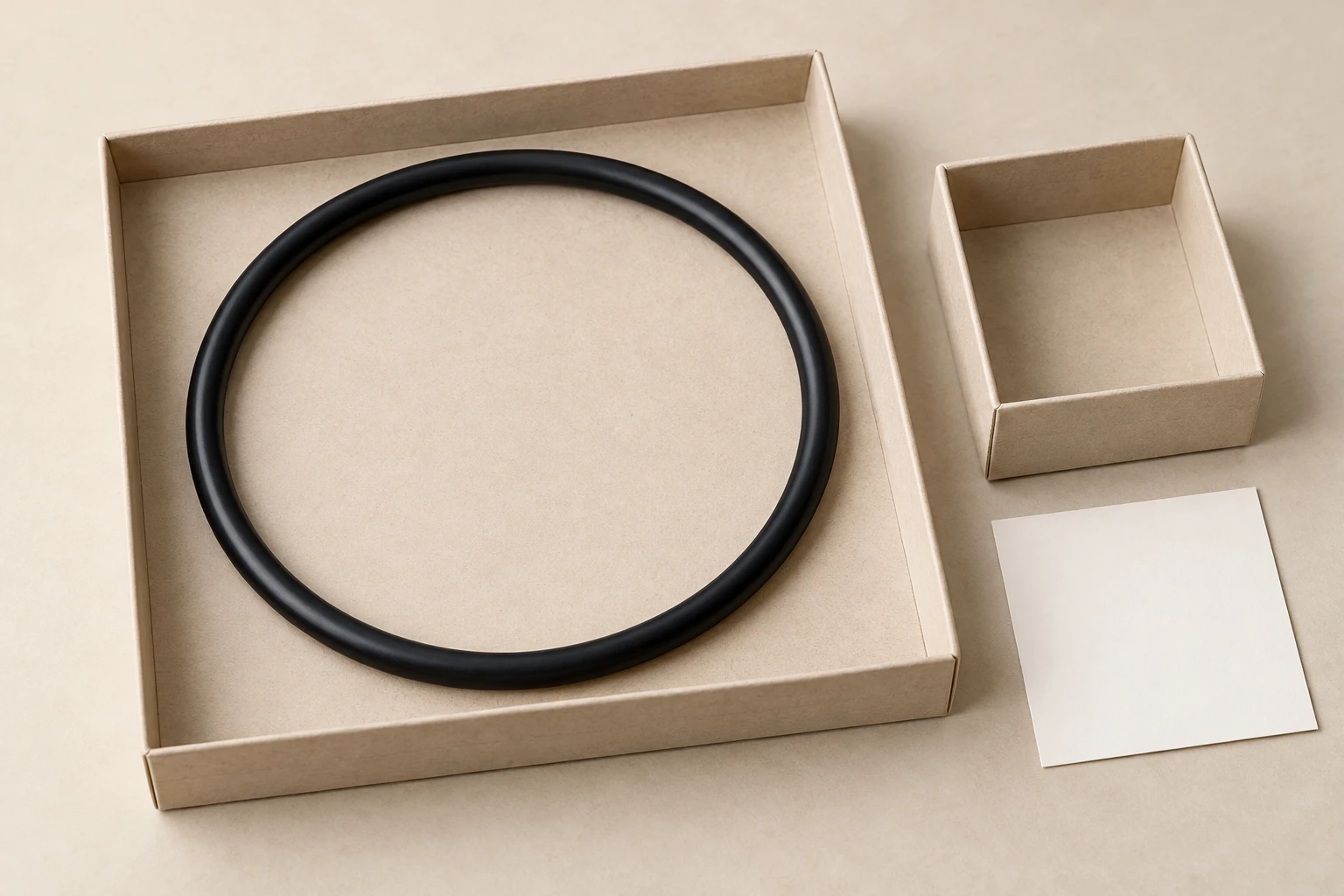
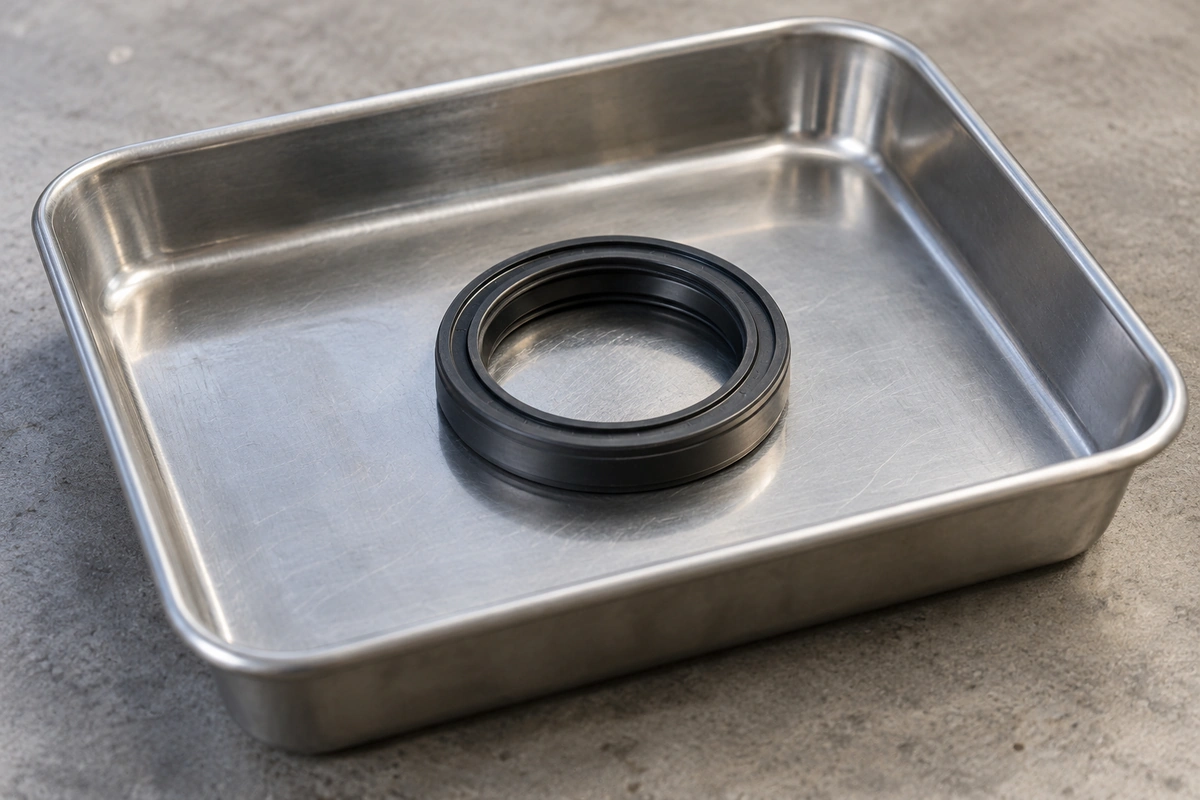
Read article: Load-washer RFQ: compare the force convention first → Record a loose seal’s compressed or flattened arrival state without turning hand reshaping or a later appearance into acceptance evidence.
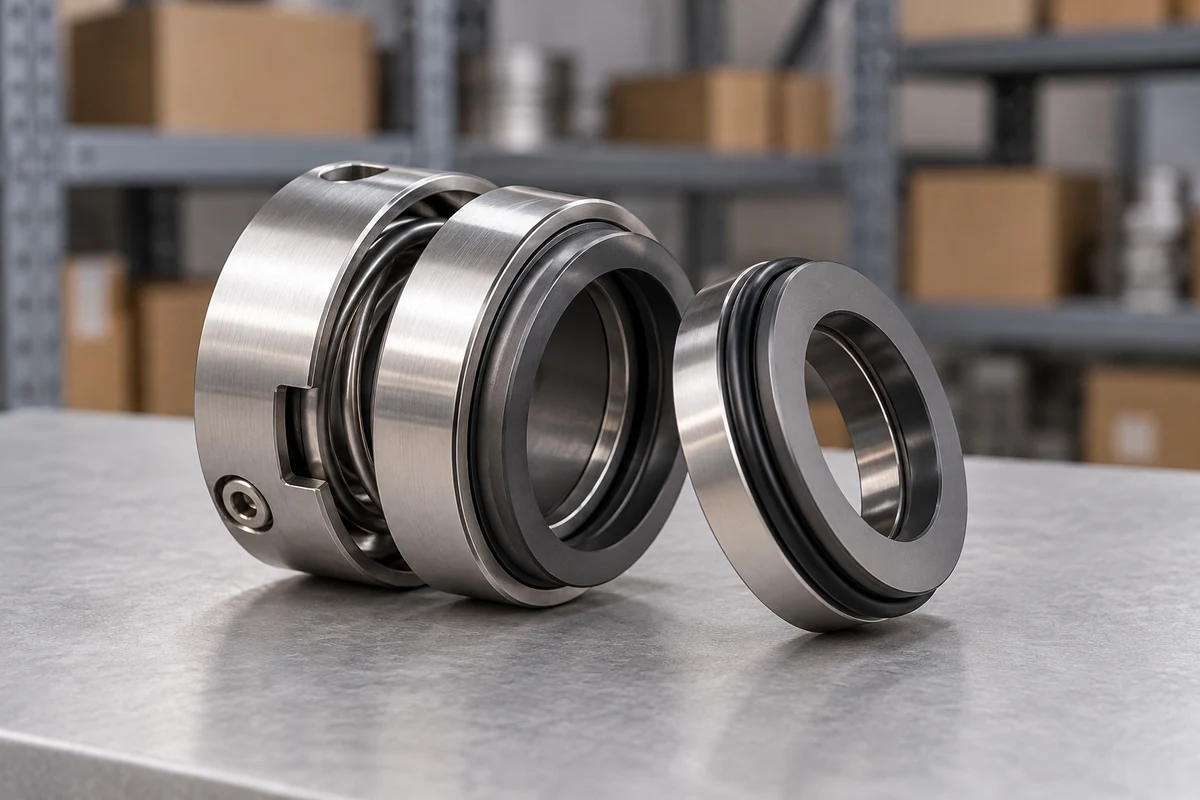
Read article: Loose seal receipt: document storage distortion → Separate the rotating face, stationary seat and secondary seals so a material code cannot hide an unreviewed mechanical-seal substitution.
Read article: Mechanical-seal RFQ: map each material to its component → Resolve direction dependence and the manufacturer’s viewing reference before accepting a clockwise or anticlockwise seal quotation.
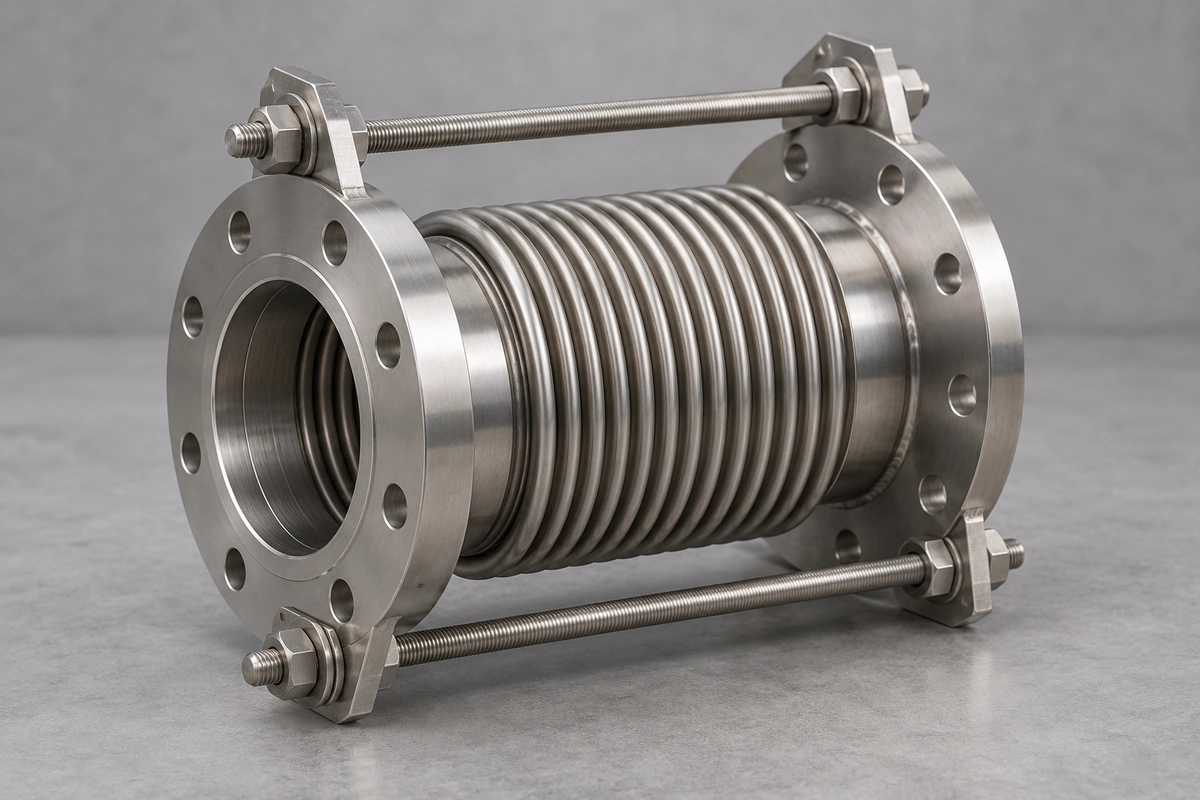
Read article: Mechanical-seal RFQ: define the rotation viewing reference → Distinguish tied and untied metal expansion-joint proposals and identify who reviews the pressure-thrust restraint and movement requirements.
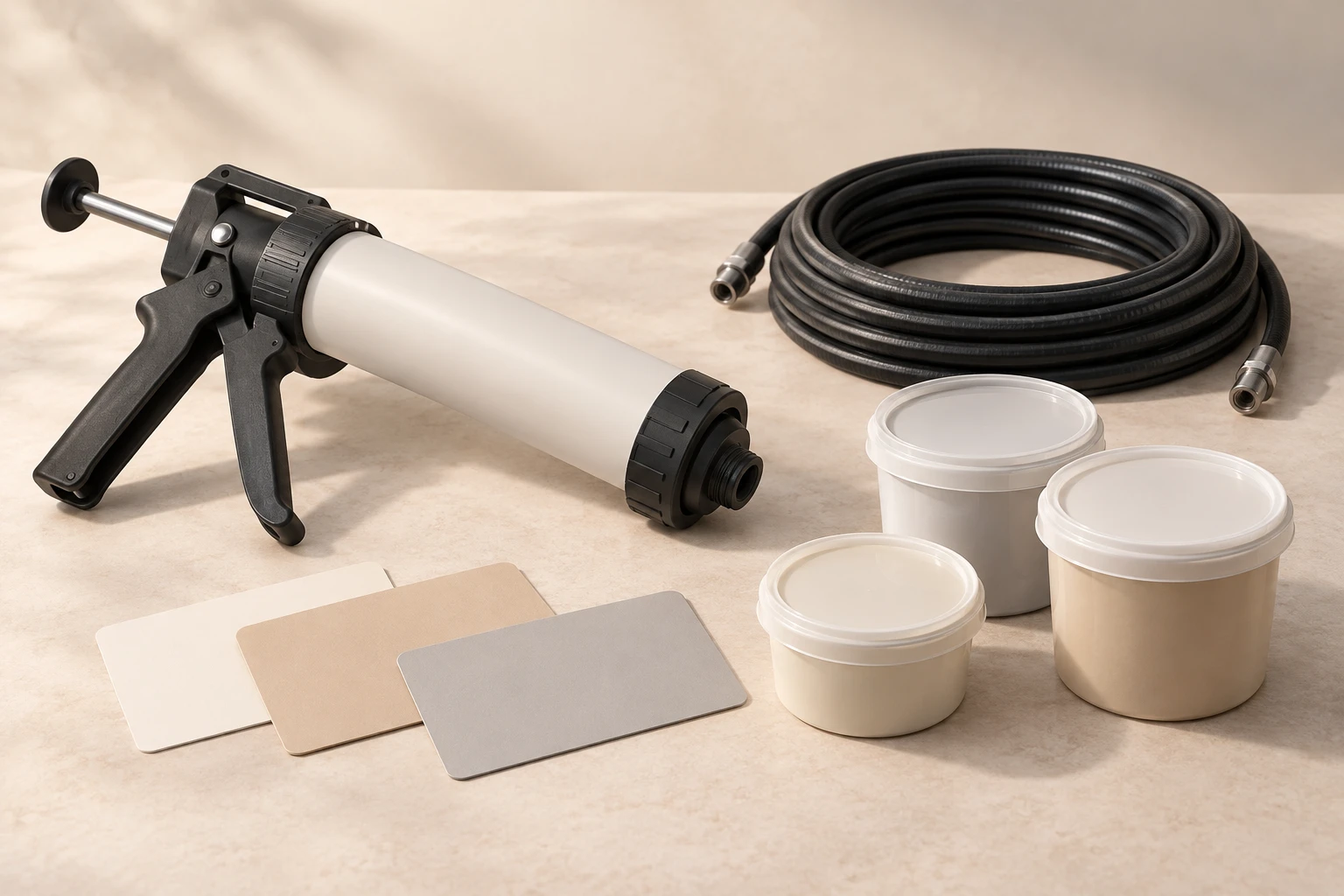
Read article: Metal expansion-joint RFQ: preserve the thrust-restraint arrangement → Clarify whether a packing quote buys a reusable device once or duplicates it in each job kit, while keeping accessories and actual availability visible.
Read article: Packing job kits: separate reusable injection equipment from consumables → Check whether a presentation change preserves manufacturer-referenced information within one complete bearing-and-packing kit.
Read article: Bearing-and-Packing Kits: Preserve Factory-Pack Order Information → Separate individual PTFE gasket segments from complete drawing-defined sets so package quantities do not overstate the purchased gasket supply.
Read article: PTFE gasket segment kits: count complete approved sets → Keep PTFE sheet form, filler declaration and released grade visible so a cheaper sheet is not mistaken for the same gasket material.
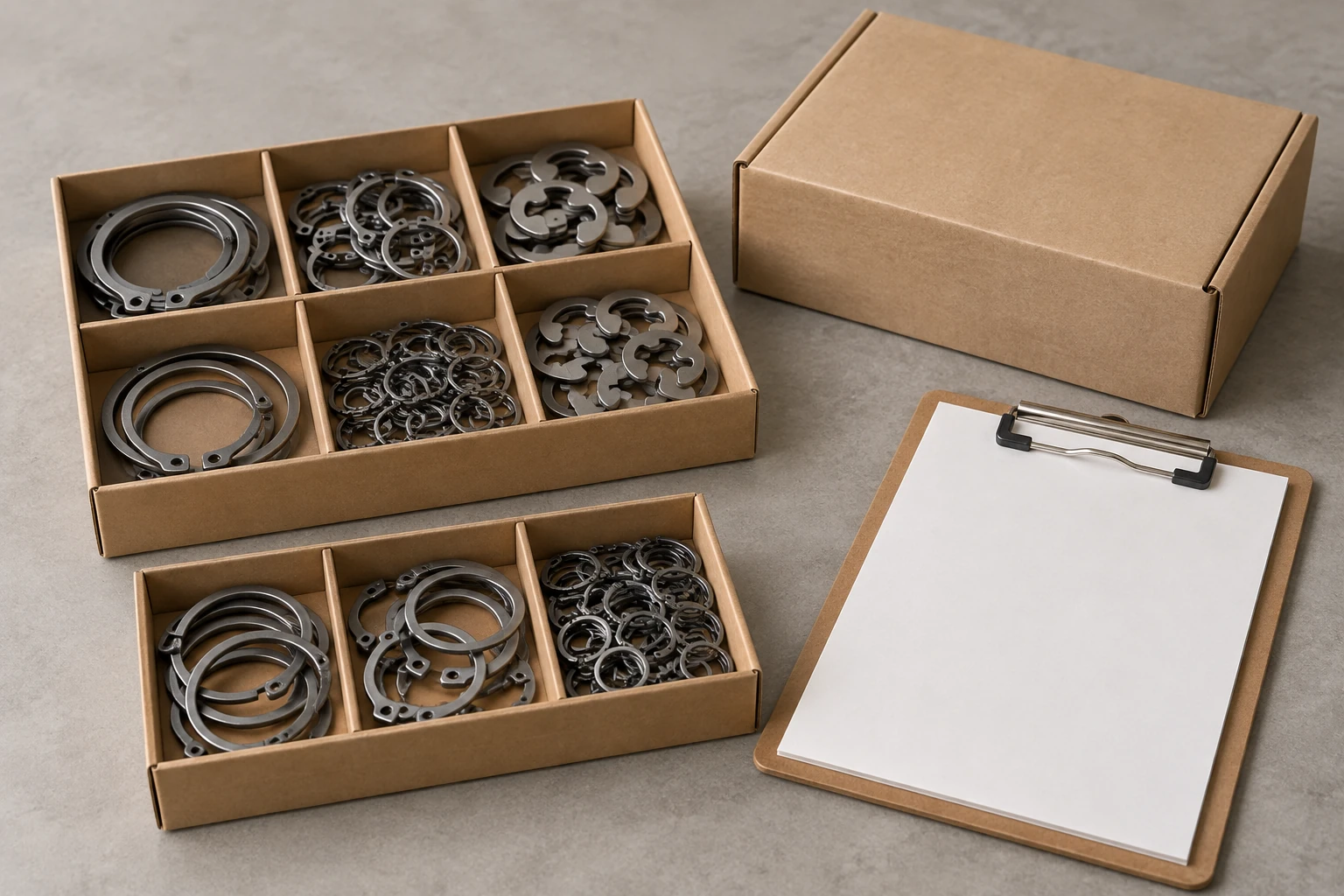
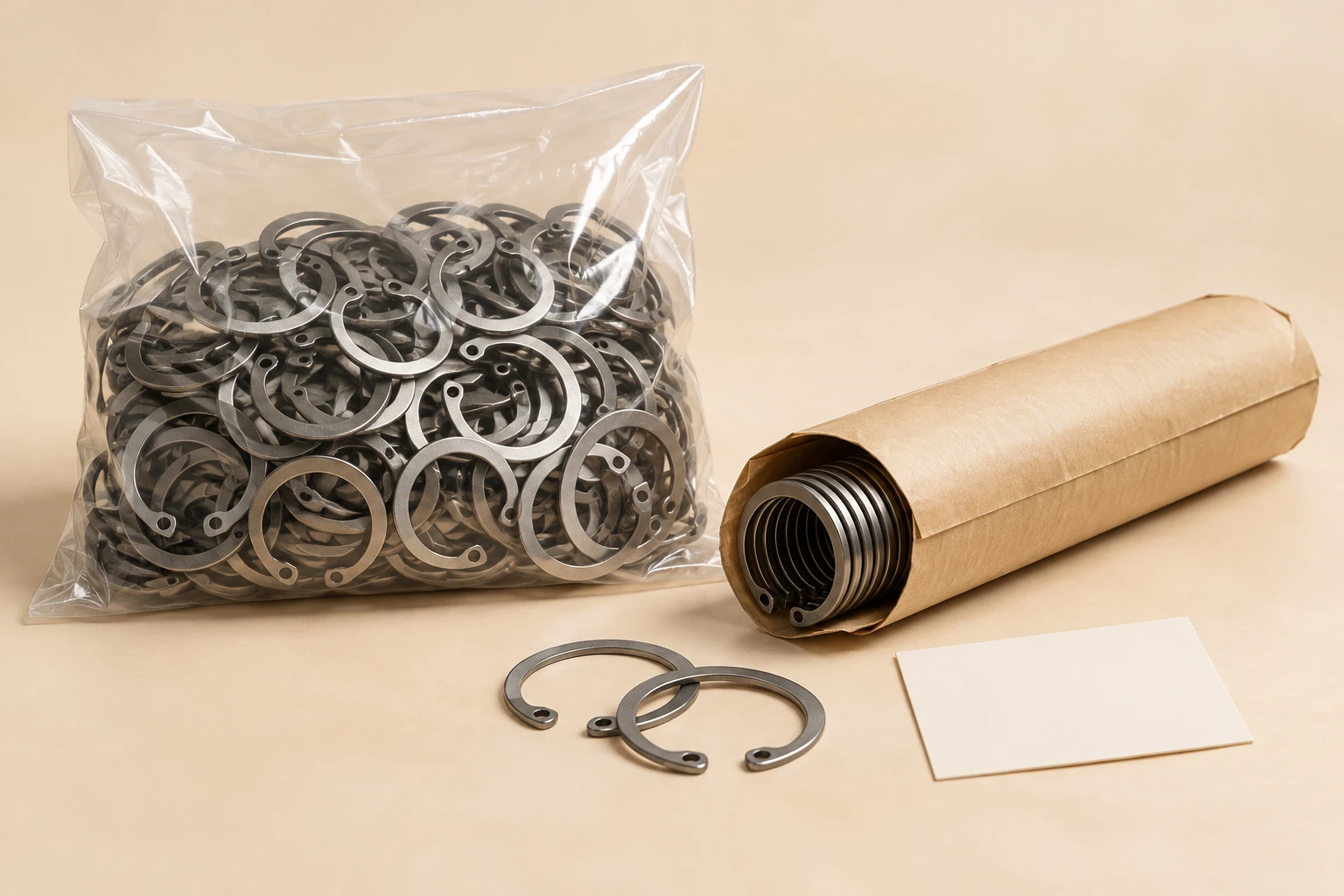
Read article: PTFE sheet RFQ: identify the filler and exact grade → Choose a retaining-ring supply format around the actual issue step, keeping a neat roll separate from a qualified dispensing arrangement.
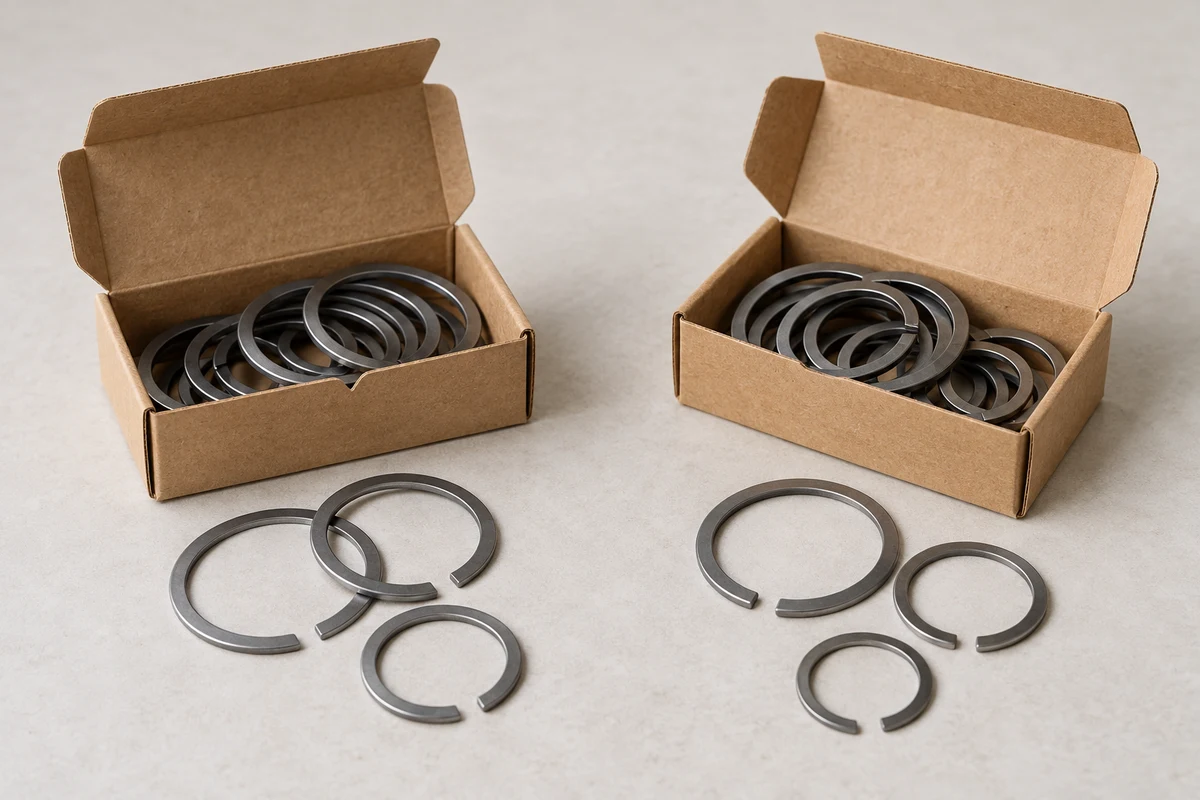
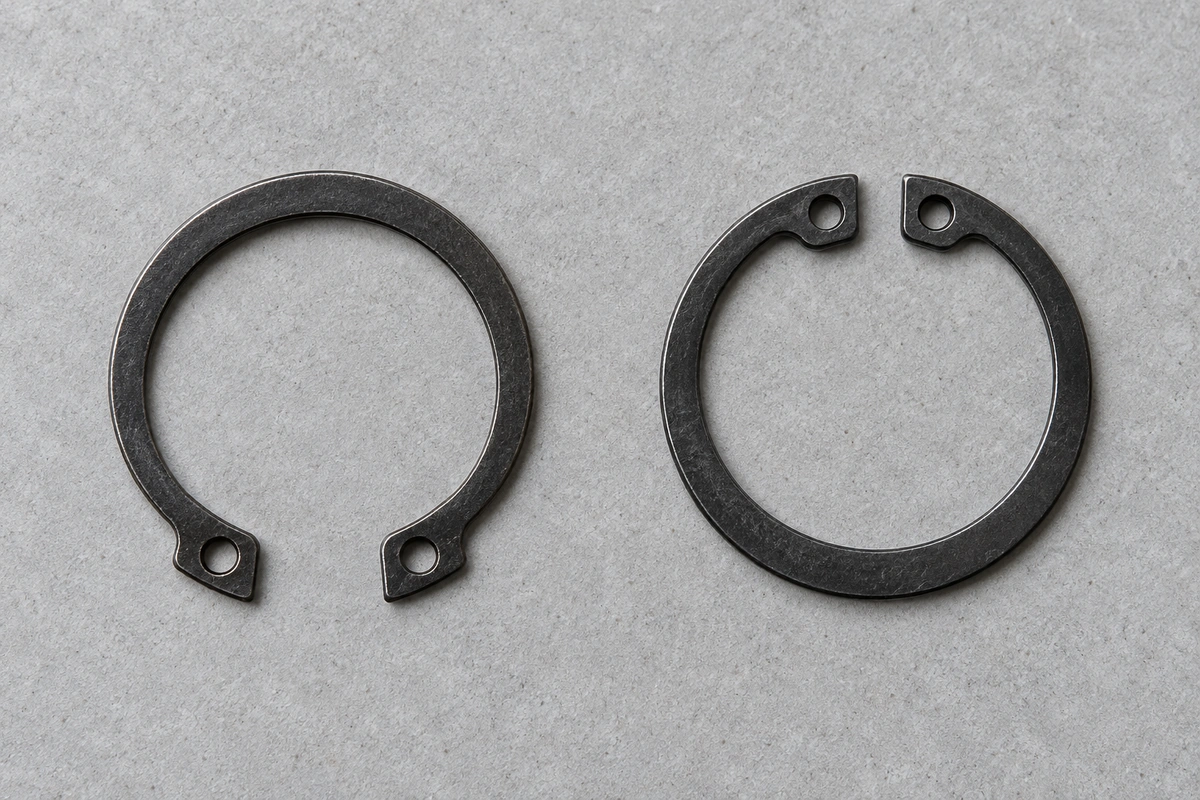
Read article: Retaining ring packs: compare bulk bags with aligned rolls → Separate a retaining ring gap-end concern from its circumferential finish and confirm the deburring scope actually ordered.
Read article: Retaining ring receipt: clarify gap-end finishing → Price the actual retaining-ring release schedule before budgeting one parcel for the entire order.
Read article: Retaining Ring Orders: Budget the Actual Installment Shipment Plan → Tie nominal retaining-ring diameter to the correct shaft or housing application and released groove drawing before comparing alternatives.
Read article: Retaining-ring RFQ: define shaft or housing and the groove → Separate traceable measurement evidence from the design decisions needed to turn a worn spare into an approved replacement drawing.
Read article: Reverse-engineering handover: measured shape is not released design → Separate cushioning from the risk of packing material entering a rotary union opening when a supplier changes the inner arrangement.
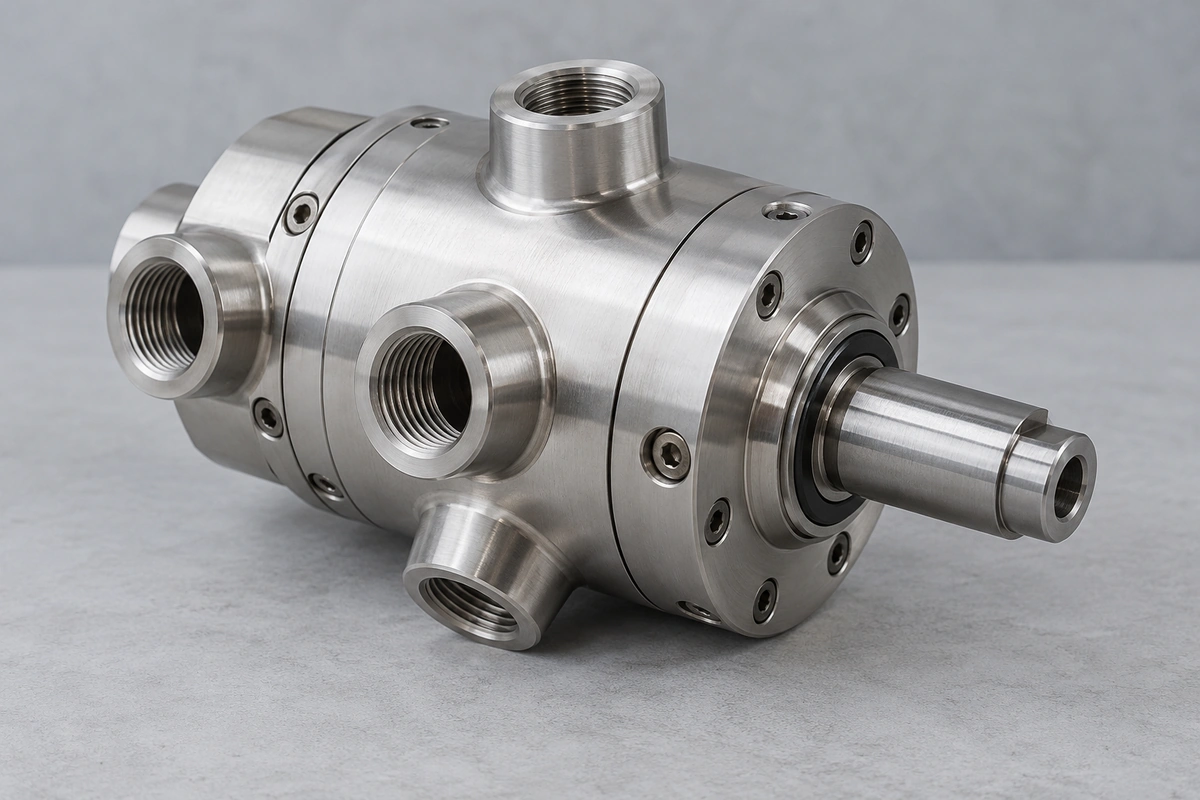
Read article: Rotary union packing: review material near fluid openings → Give each rotary-union passage its own medium, duty reference and connection identity before comparing a multi-channel replacement.
Read article: Rotary-union RFQ: map the duty of every passage → Assign the response owner and unresolved-return decision before a rotary union leaves for repair evaluation.
Read article: Rotary Union Repair Quotes: Budget the Unanswered-Quote Outcome → Ask how the actual expansion joint’s documented support requirements appear in the quoted package instead of approving an ordinary stackable-carton assumption.
Read article: Rubber expansion joints: make support part of the packing quote → A shelf of seal components may support planned repair work without covering a requirement for a released complete spare.
Read article: Seal inventory: distinguish complete-spare cover from repair components → Map a seal movement to the actual fixed-fee service agreement before raising a separate freight purchase.
Read article: Seal Service Contracts: Check Freight Coverage Before Buying It Twice → Locate a reported burr on the seal’s documented assembly path and reconcile gland readiness without treating a dimensional pass as edge acceptance.
Read article: Seal gland receipt: resolve an entry-edge concern → Resolve unavailable component cure-date evidence before approving seal-kit labels or substituting a differently named date statement.
Read article: Seal Kit Labels: Do Not Turn a Use-Before Date into a Cure-Date Claim → Define the commercial boundary of a mobile seal-service unit before comparing it with separate part deliveries.
Read article: Seal Service Visits: Compare Mobile-Unit Mobilization with Separate Deliveries → Tie a seal repair-class offer to the actual assessed scope before closing the repair-and-return movement budget.
Read article: Seal Repair Classes: Check What the Price Leaves Outside the Journey → Track the same seal through repair so a return closes the correct stock gap without becoming a second asset on paper.
Read article: Seal replenishment: distinguish a repair return from a new stock addition → Resolve the release, collection and plant-delivery scope behind a service-center seal-stock proposal.
Read article: Seal Service-Center Stock: Confirm the Last Journey to the Plant → Resolve what fluid contacted a received seal and whether the actual compound and exposure have been assessed before accepting a protective-oil explanation.
Read article: Seal receipt: identify unexplained fluid contact → Update the ordering route without duplicating demand under old and new supplier records or assuming every historical model transferred.
Read article: Slip-ring reorders after a product-line transfer: keep one demand record → Keep numbered holder relationships separate from seal-face pairing when reviewing a proposal to consolidate split mechanical seals.
Read article: Split mechanical seal packs: preserve both kinds of pair identity → Keep documented spacer roles visible so a packing cleanup does not treat every temporary-looking split-seal component as disposable material.
Read article: Split-seal pack lists: distinguish shipping and installation spacers → Check whether a spring finish declaration addresses the ordered process and corrosion requirement instead of treating a black surface as proof.
Read article: Black spring finish: separate appearance from protection → Decide sample custody through the planned spring order before paying for a return that may lead to another outward shipment.
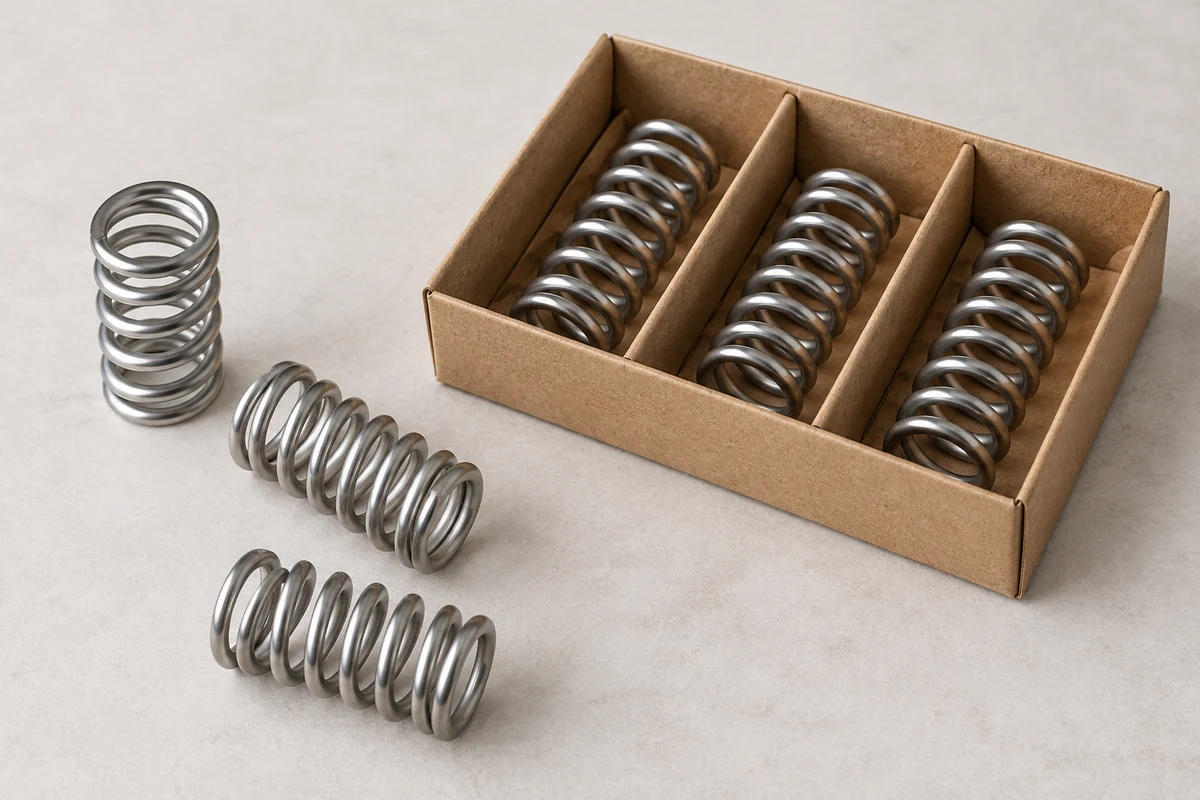
Read article: Spring Evaluation Samples: Price Return and Possible Resubmission → Compare supplier-supported spring separation formats using actual packing and receiving work, not the empty package price.
Read article: Spring Packaging Quotes: Include Separation Format and Receiving Work → Record what an exchange check actually compared before treating an imported spare-part model as the agreed representation.
Read article: STEP import handover: distinguish syntax checks from model comparison → Agree whether the receiving workflow needs graphic annotations, semantic PMI or both before accepting a spare-part model exchange.
Read article: STEP handover: visible tolerances may not be machine-readable → Compare the actual spending needed to cross a stock-spring freight threshold without buying unneeded or unapproved parts.
Read article: Stock Spring Orders: Test Free Freight Against Real Approved Demand → Reconcile changed VCR gasket bag multiples with piece-based kit requirements before accepting a revised supply schedule.
Read article: VCR Gasket Packs: Reconcile a Changed Bag Multiple Before Kitting → Resolve a wave spring height concern against its ordered preset state before interpreting a supplier explanation or accepting the received spring.
Read article: Wave spring receipt: distinguish preset state from damage → Separate the first released prototype shipment from a later version that cannot be defined until its evaluation is complete.
Read article: Wave-Spring Prototype Freight: Budget the Evaluation Sequence → Reconcile the ordered wave spring end form with the delivered configuration without assuming matched envelope dimensions prove the same contact arrangement.
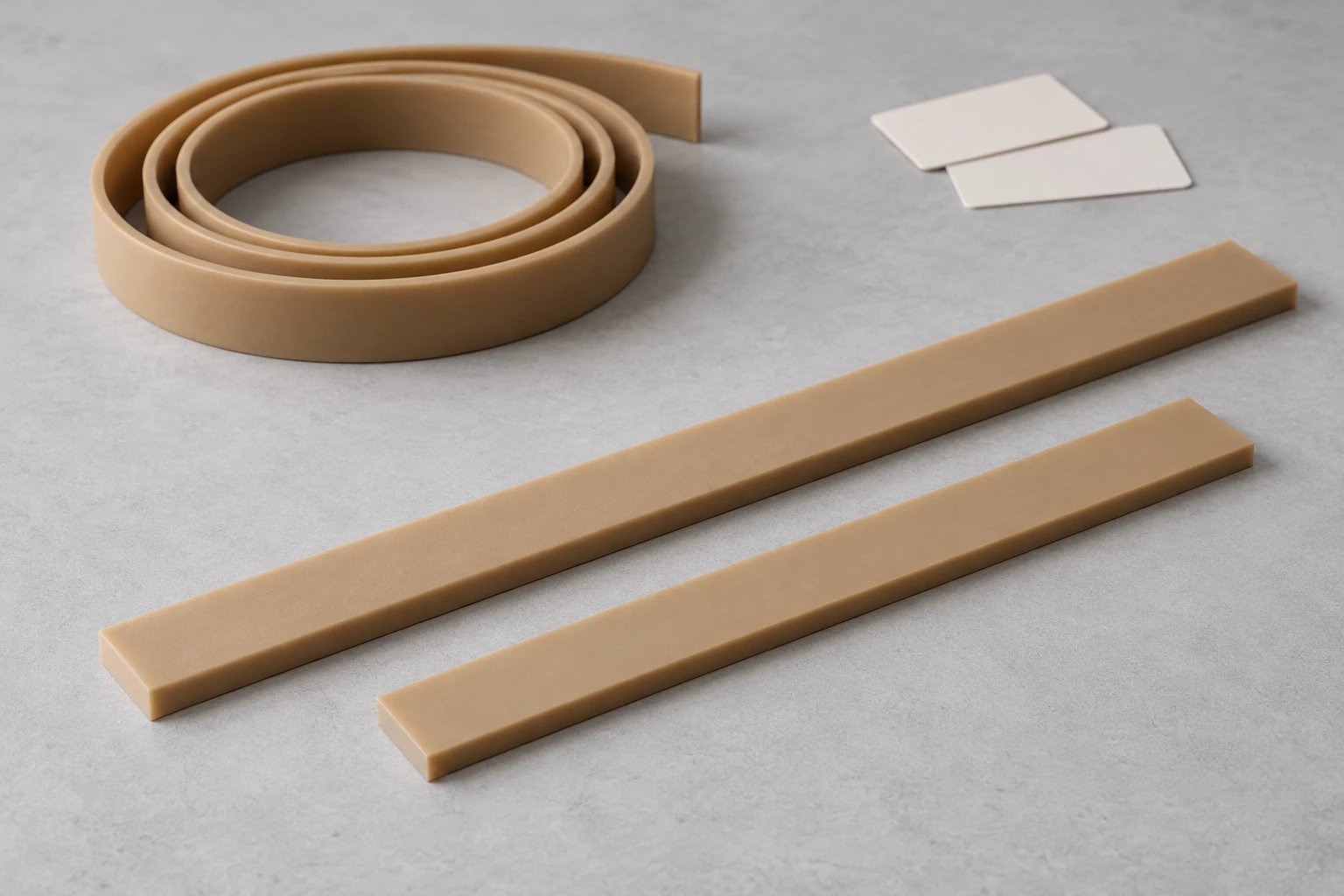
Read article: Wave spring shim ends: check the supplied end form → Reconcile bearing strip cross-section evidence and the ordered coil or cut-piece form without allowing extra length to substitute for the specified section.
Read article: Bearing strip receipt: separate section from supply form → Recover the original seller and order classification before treating an unused rotary union as returnable stock.
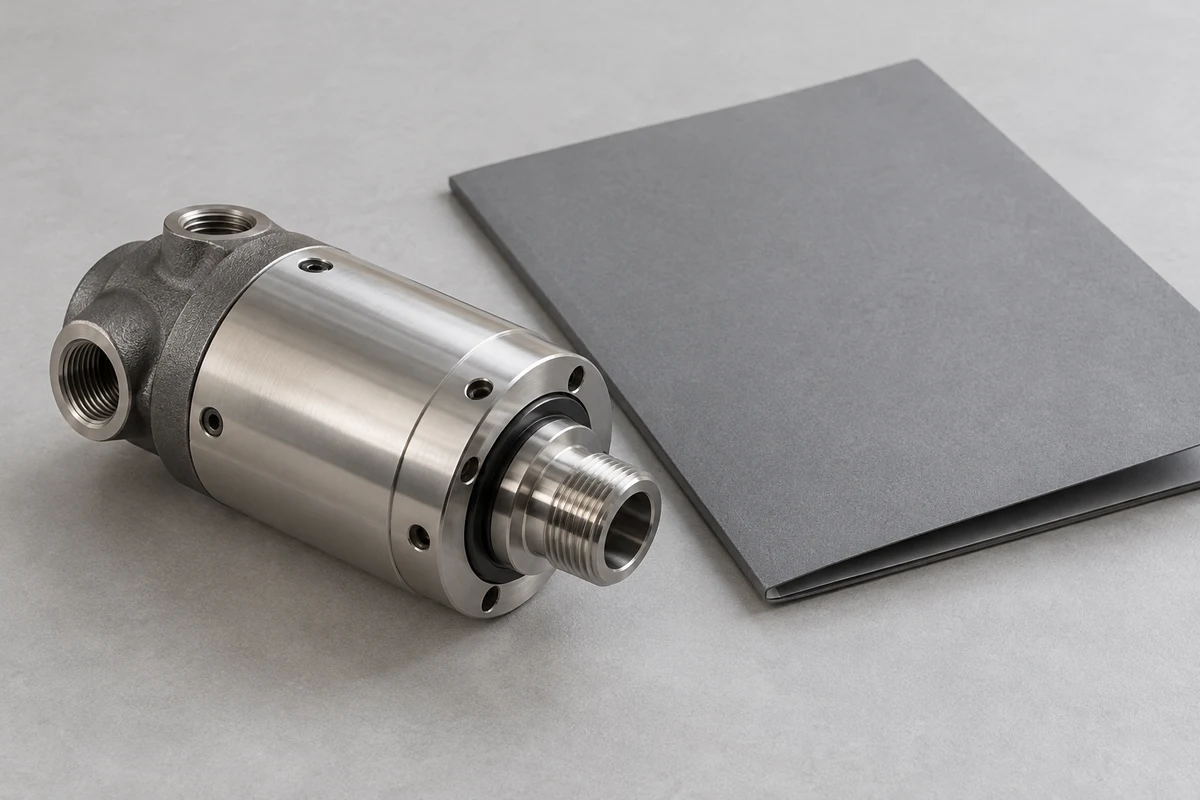
Read article: Rotary Union Returns: Confirm the Original Purchase Route Before Paying Freight → Reconcile a rotary union’s delivered geometry with the accepted drawing and current model-specific information without silently replacing the order baseline.
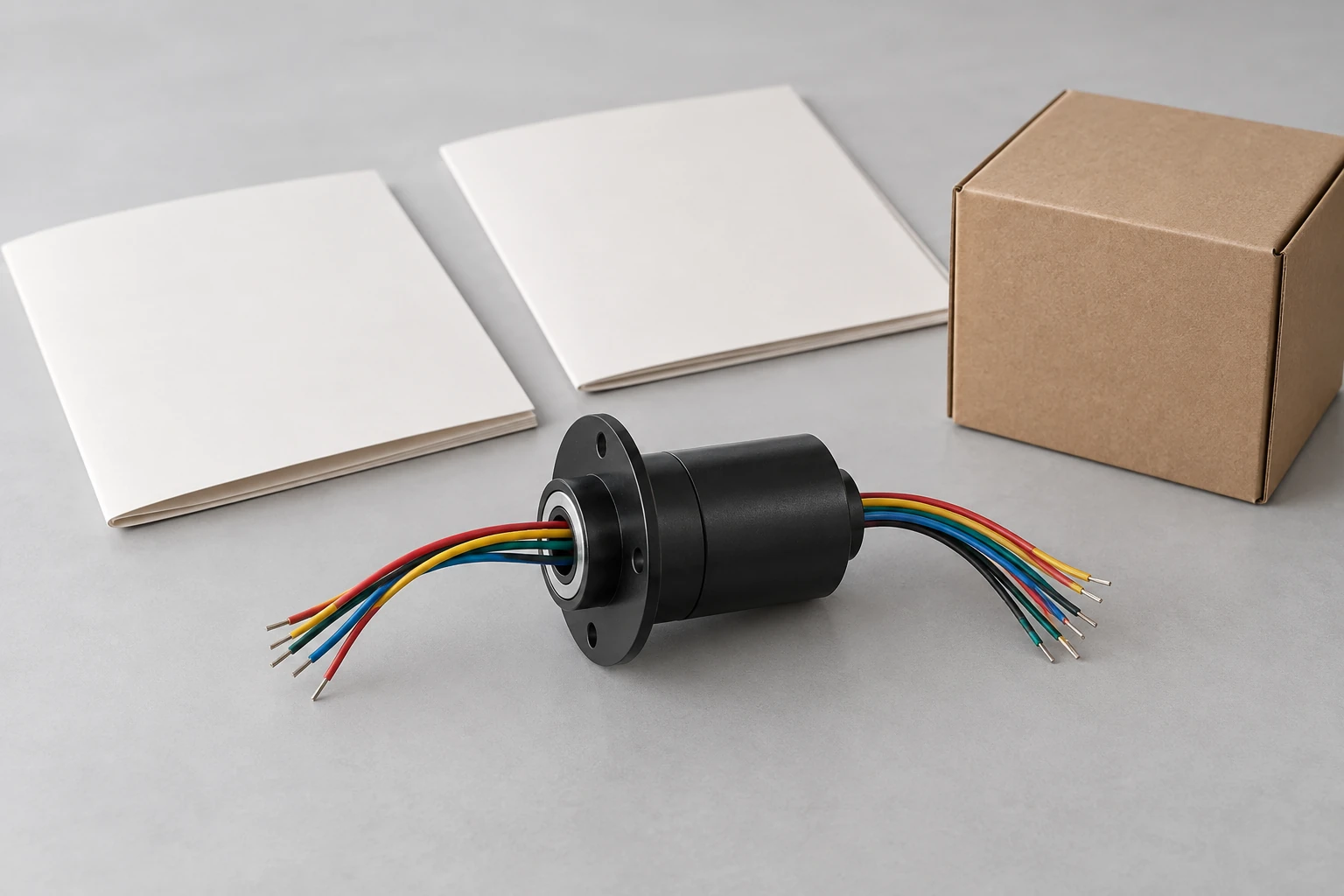
Read article: Rotary union receipt: resolve the governing drawing → Map each slip-ring circuit to its documented function and exact interface requirement instead of treating circuit count as proof of compatibility.
Read article: Slip-ring RFQ: separate power, signal and control requirements → Distinguish angular path-resistance variation from contact noise on the same slip-ring circuit before deciding which requirement a report can address.
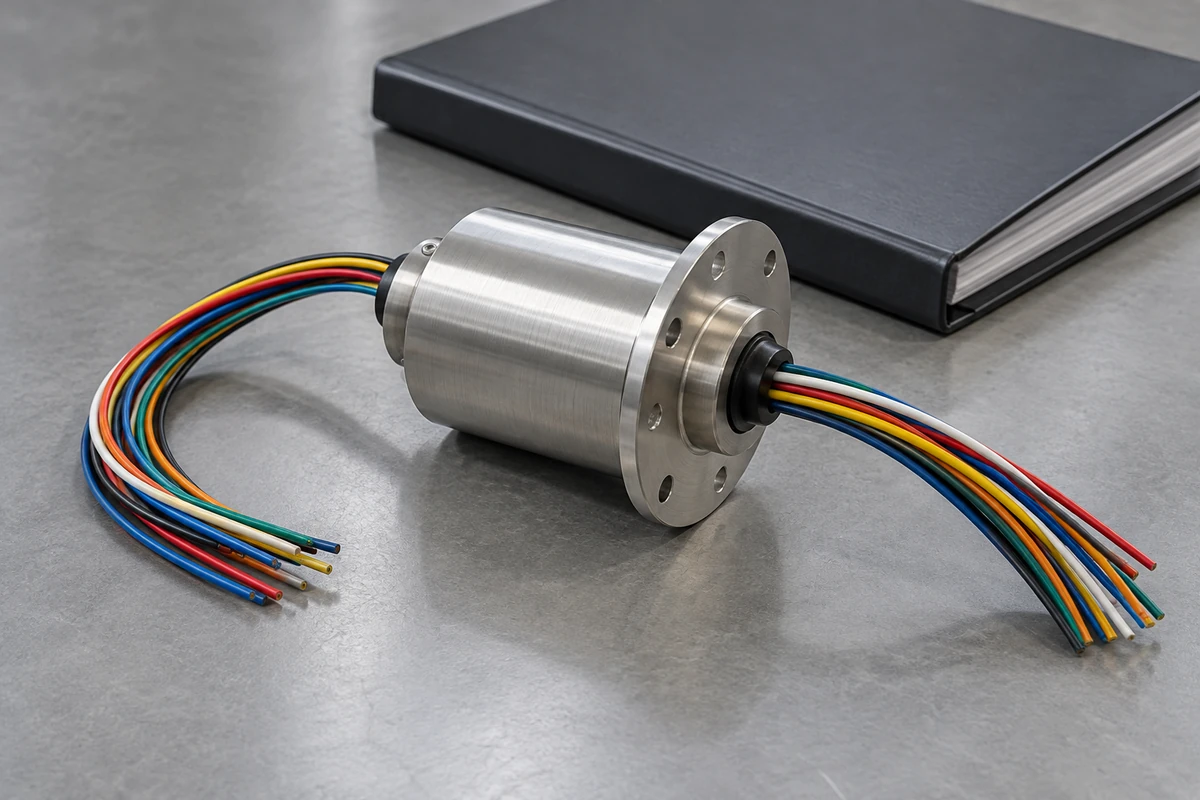
Read article: Slip-ring receipt: is the reported noise the specified contact effect? → A catalogue-number match leaves a separate question about the device attributes expected by the documented control project.
Read article: Control-module handover: compare project and offered revision records → Repair transfers, returns and failed units can share a stock code while representing different events for the next demand forecast.
Read article: Seal reorder history: separate store issues from actual consumption → Distinguish load-holding and load-separating torque-limiter proposals before comparing dimensions, ratings or replacement prices.
Read article: Torque-limiter RFQ: preserve the overload operating principle → Keep a system certificate attached to the component identities it actually covers when a receiver or other unit is replaced.
Read article: Measurement-system handover: map the certificate to its components → Capture manufacturer, complete suffixes and machine position so a bearing quote identifies the actual variant and any proposed substitute.
Read article: Replacement bearings from China: keep the full designation → Connect the released drawing to machine applicability, order lines, inspection reports and stock before repeating a spare-parts purchase.
Read article: Reordering spare parts: control drawing revisions and changes →