Site home Blog 1688 Spare Parts
Buying notes Practical tutorials for quote requests, specification checks, receiving and shipping.
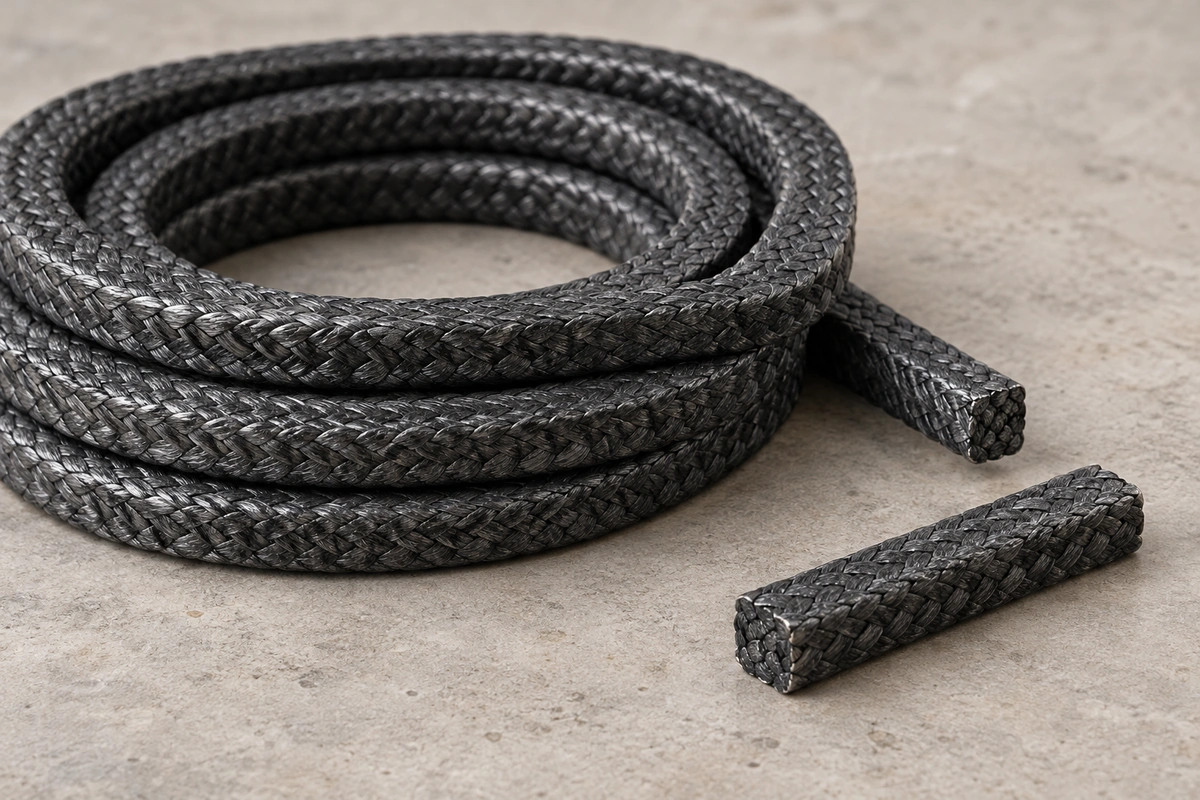
Compare braided packing by its specified fiber construction, impregnation and lubricant declaration instead of relying on a broad fiber label.
Read article: Braided-packing RFQ: retain impregnation and lubricant details → Identify the exact coupling-spider material and hardness variant, using manufacturer-specific coding rather than color or a harder-is-better assumption.
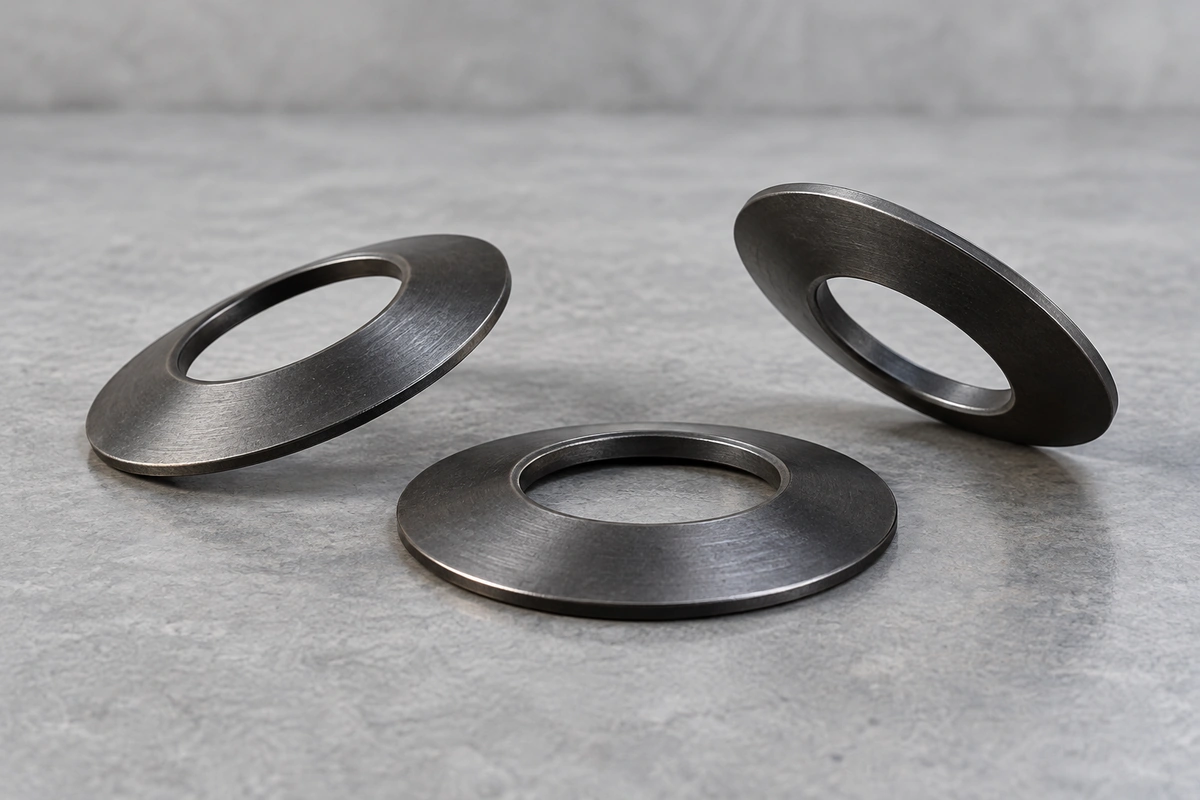
Read article: Coupling-spider RFQ: specify material, hardness and scale → Keep disc-spring dimensions, the approved force-at-deflection point and permitted deviation together when comparing replacement offers.
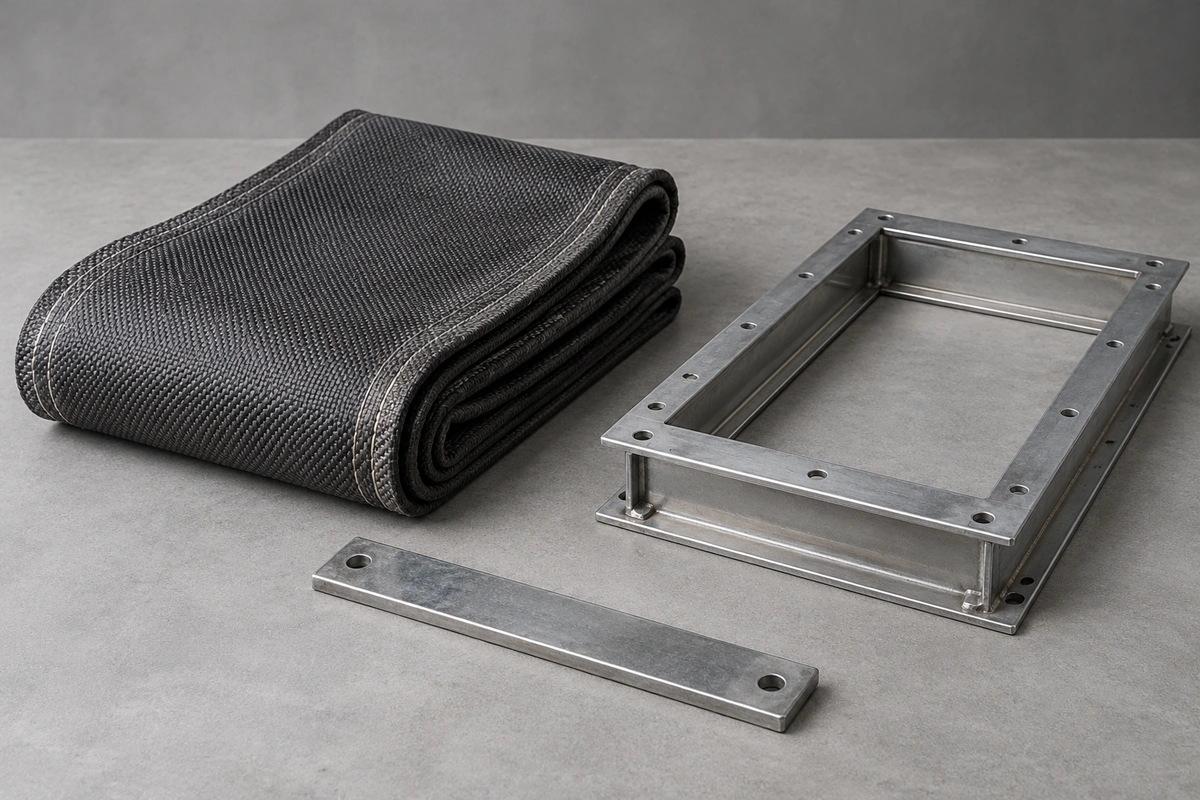
Read article: Disc-spring RFQ: specify force and deflection together → Separate fabric-only renewal from a preassembled replacement and identify which existing frames and associated parts the quote assumes will remain.
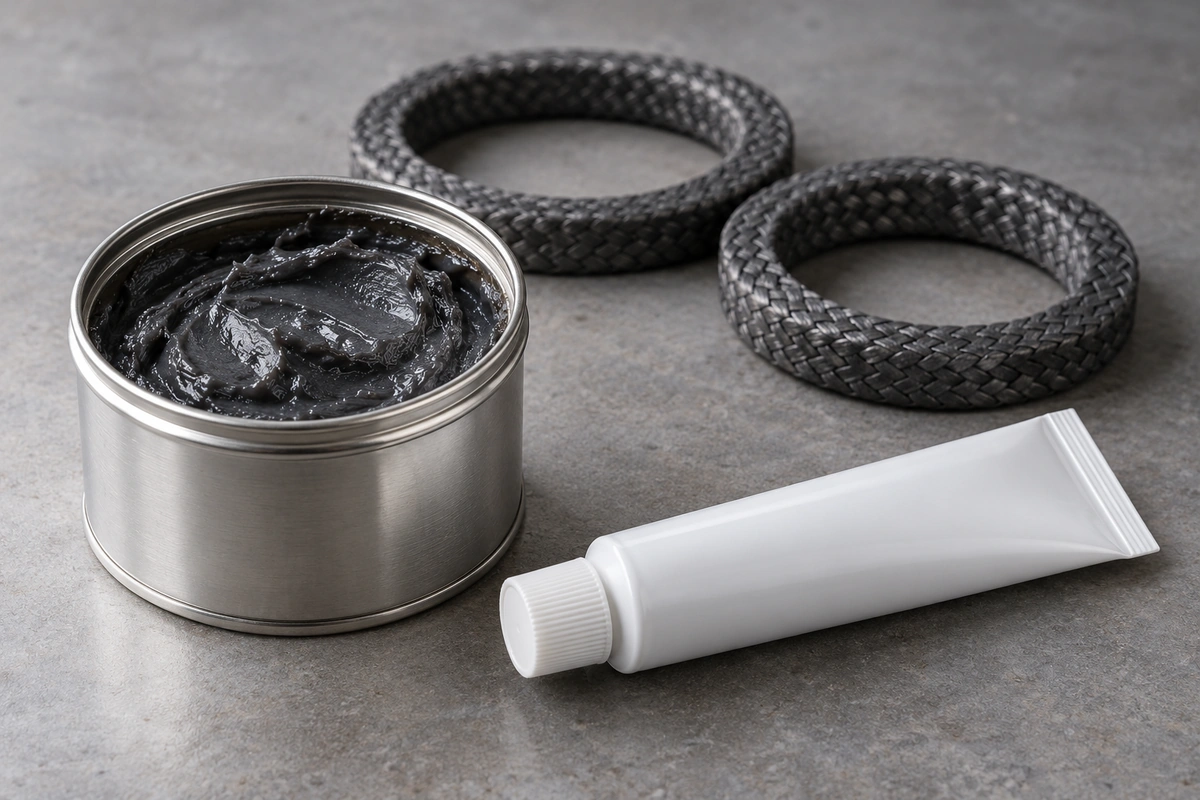
Read article: Fabric expansion-joint RFQ: define the renewal boundary → Identify the existing packing system, compound and retention components before comparing a refill quote with a proposed system change.
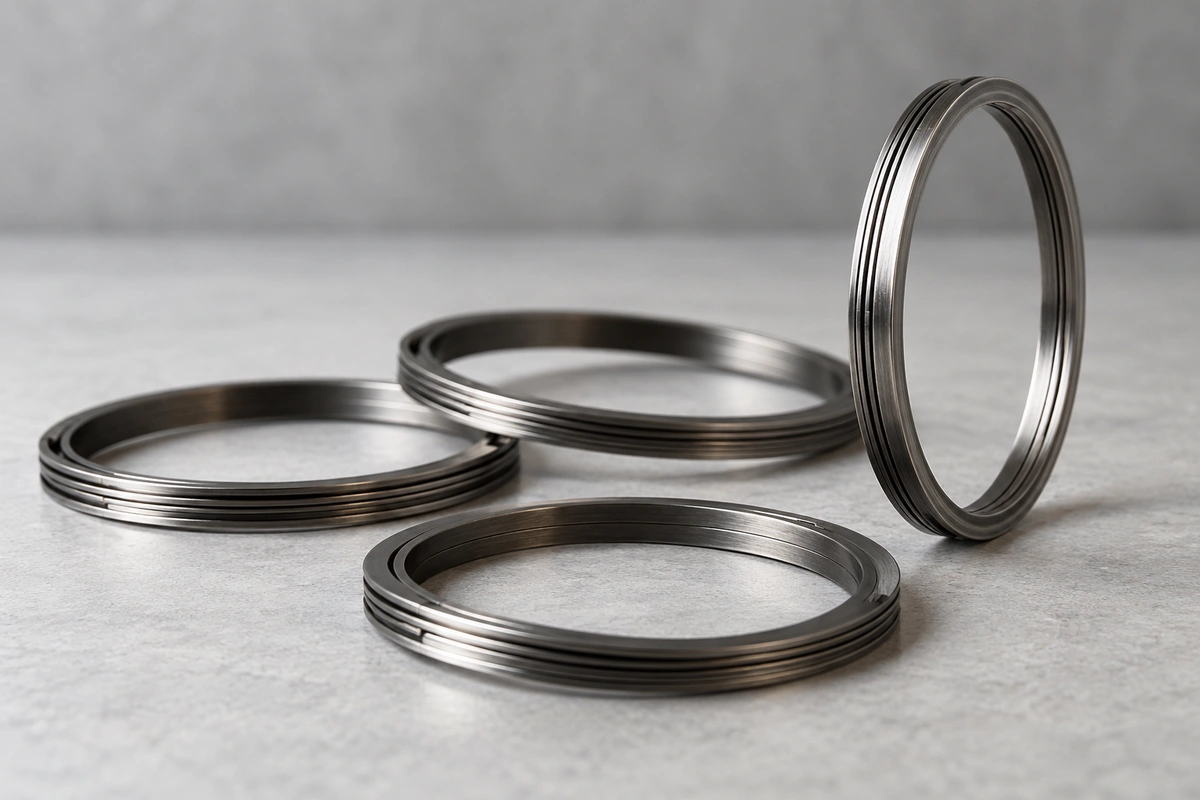
Read article: Injectable-packing RFQ: separate refill compound from system scope → Separate ring count, turns and supply grouping so a loose laminar ring is not mistaken for the documented labyrinth arrangement.
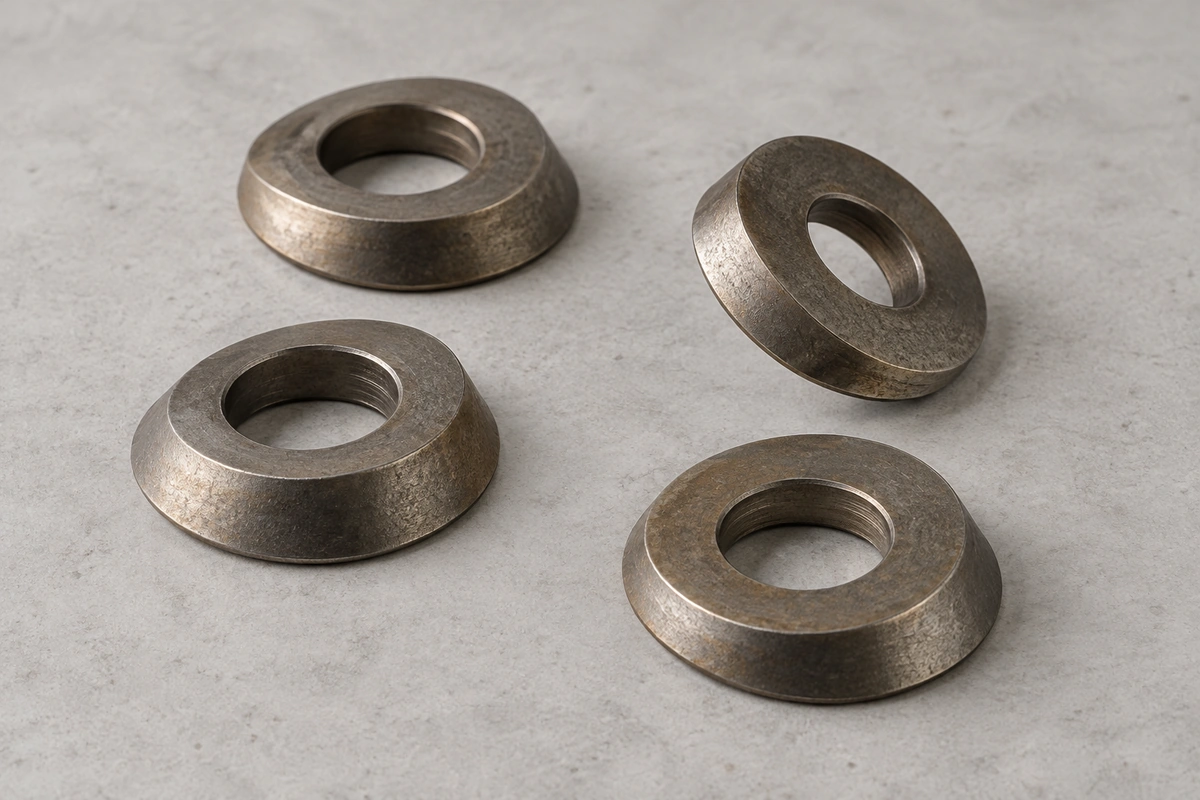
Read article: Laminar-seal RFQ: quote the complete ring arrangement → Ask how a load-washer force was defined, which document edition applies and whether two quoted figures can actually be compared.
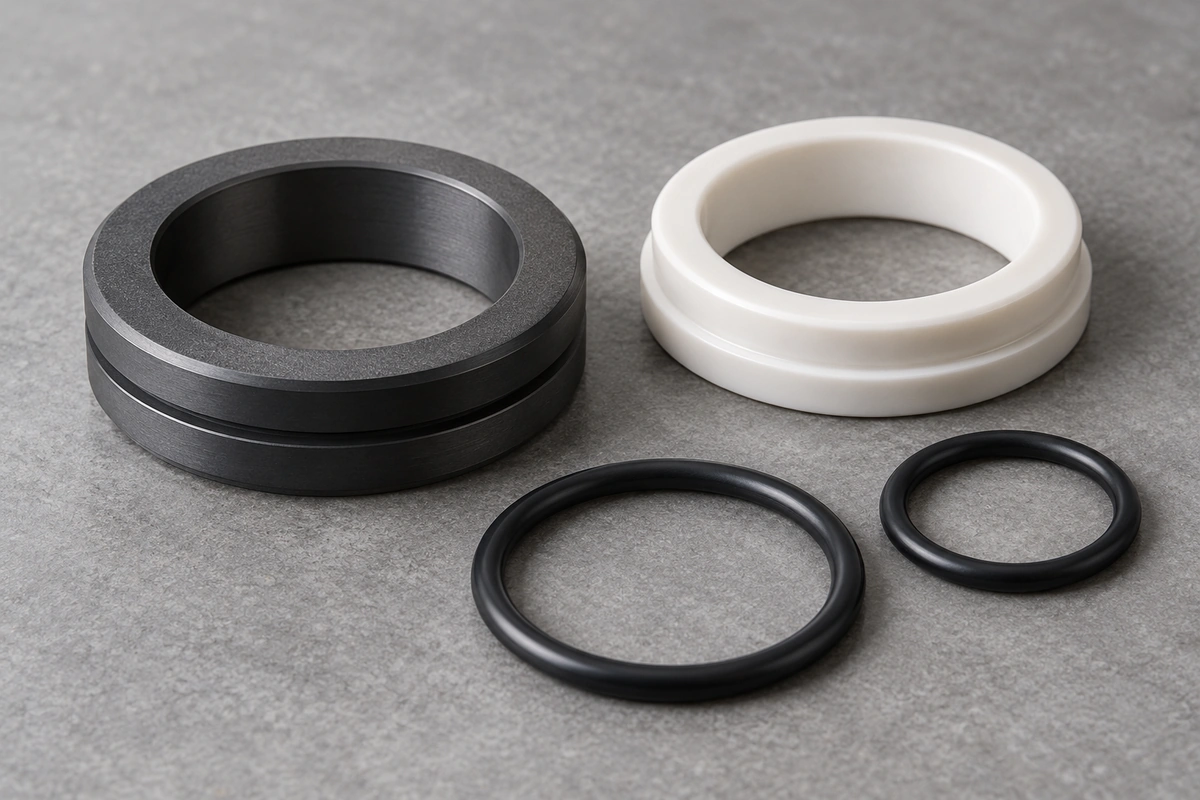
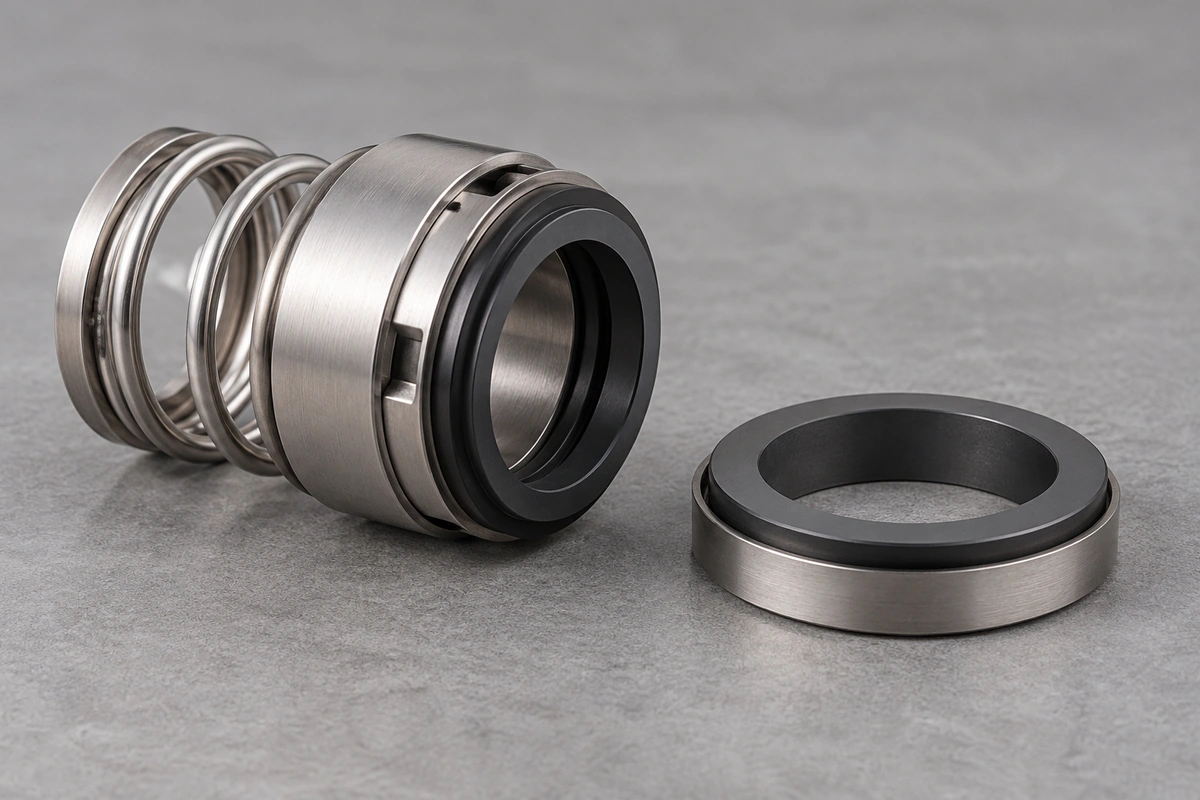
Read article: Load-washer RFQ: compare the force convention first → Separate the rotating face, stationary seat and secondary seals so a material code cannot hide an unreviewed mechanical-seal substitution.
Read article: Mechanical-seal RFQ: map each material to its component → Resolve direction dependence and the manufacturer’s viewing reference before accepting a clockwise or anticlockwise seal quotation.
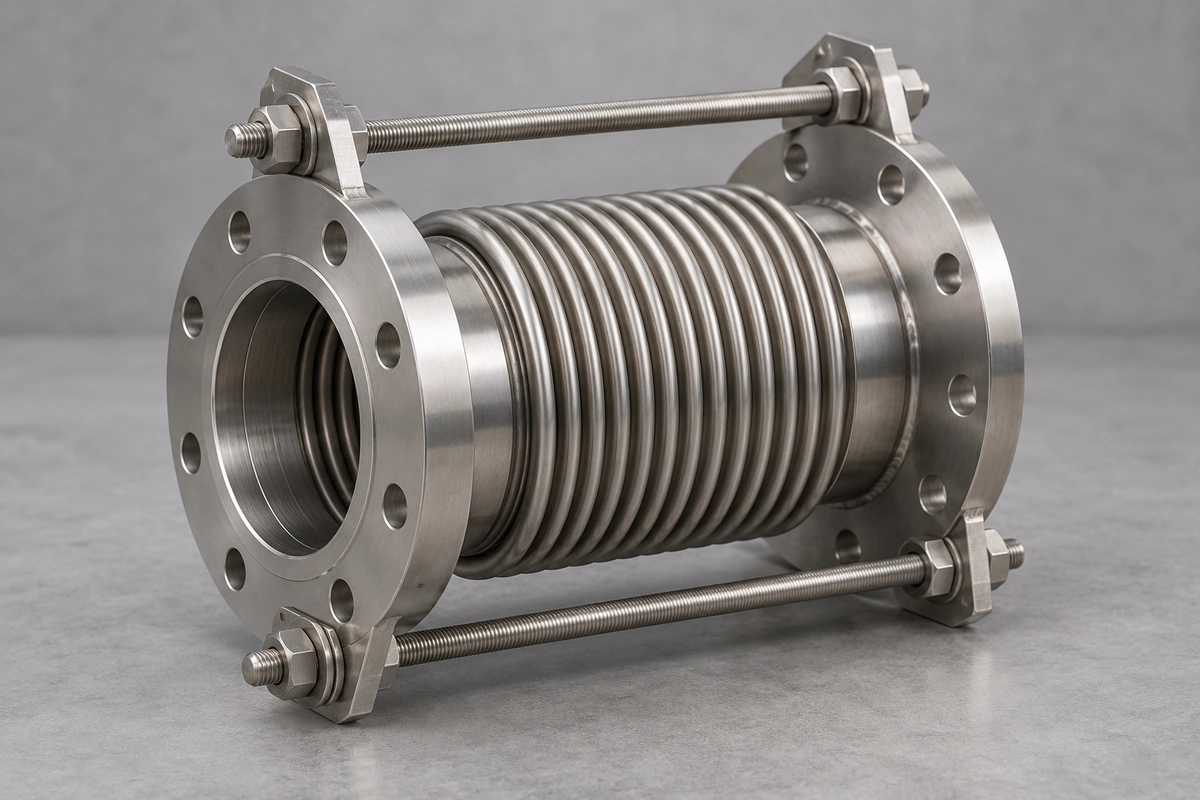
Read article: Mechanical-seal RFQ: define the rotation viewing reference → Distinguish tied and untied metal expansion-joint proposals and identify who reviews the pressure-thrust restraint and movement requirements.
Read article: Metal expansion-joint RFQ: preserve the thrust-restraint arrangement → Keep PTFE sheet form, filler declaration and released grade visible so a cheaper sheet is not mistaken for the same gasket material.
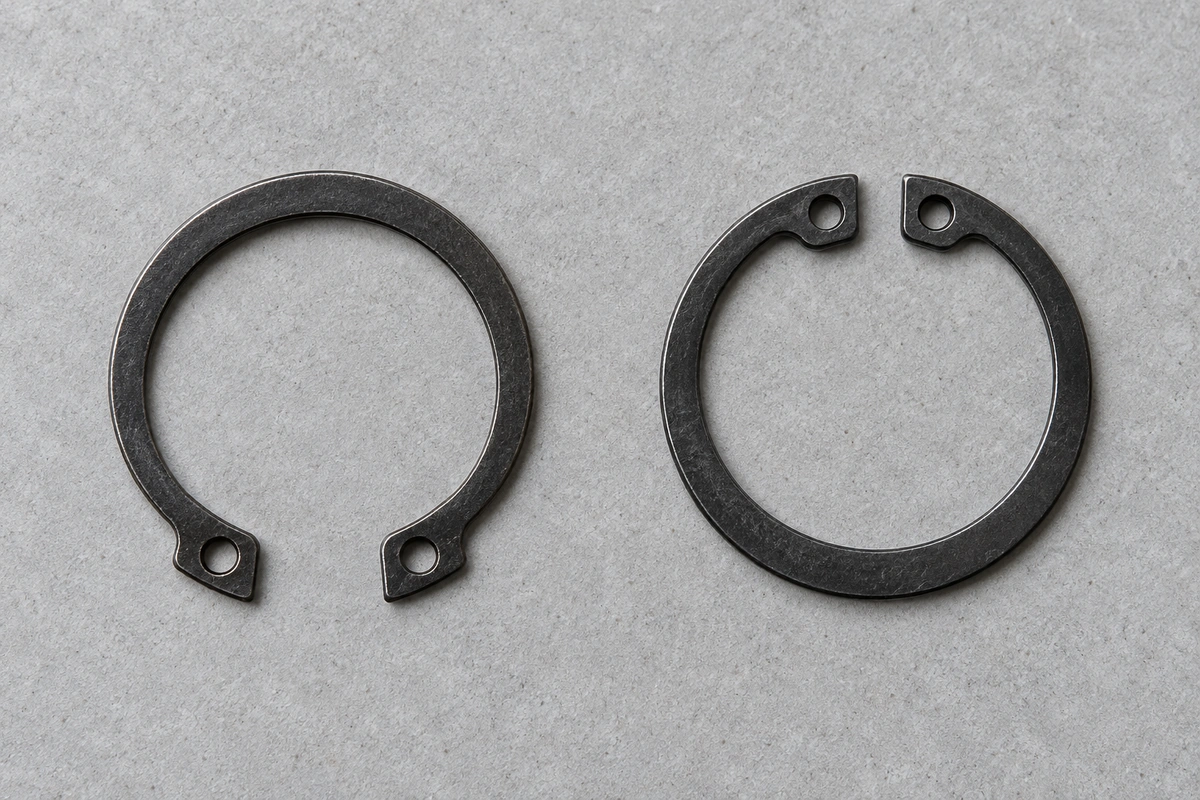
Read article: PTFE sheet RFQ: identify the filler and exact grade → Tie nominal retaining-ring diameter to the correct shaft or housing application and released groove drawing before comparing alternatives.
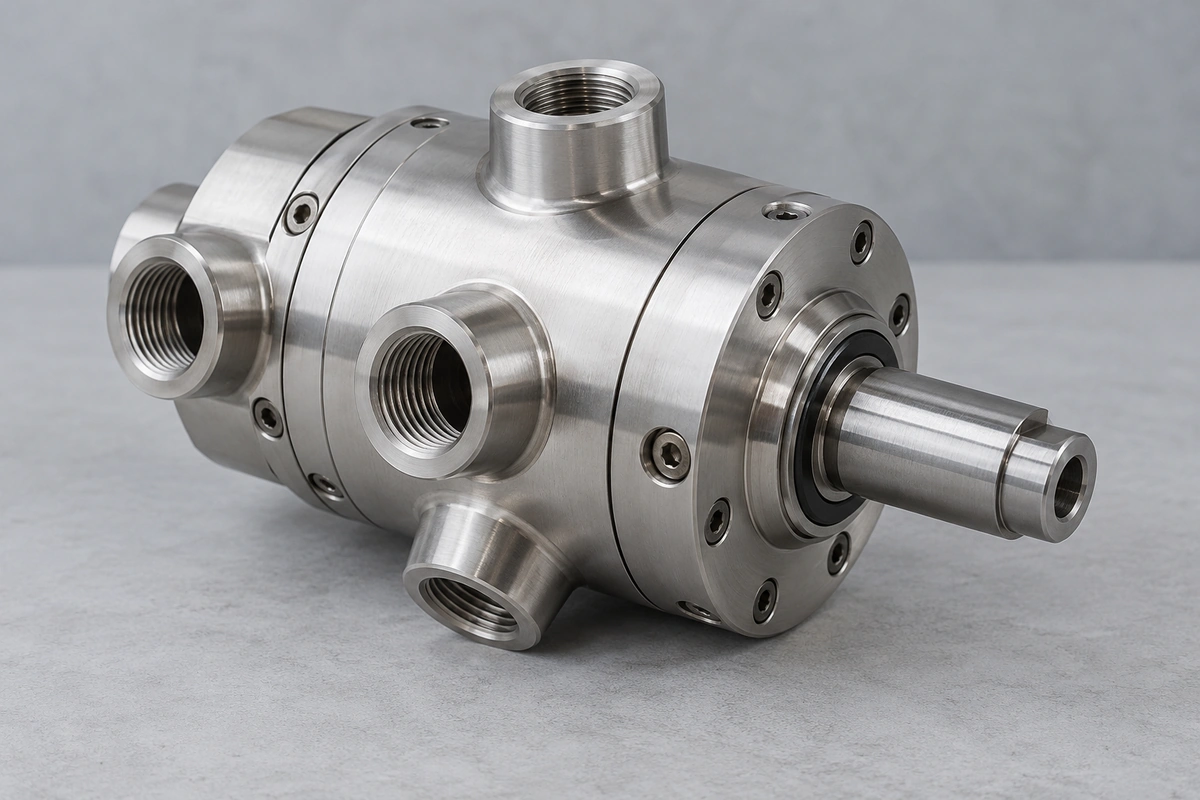
Read article: Retaining-ring RFQ: define shaft or housing and the groove → Give each rotary-union passage its own medium, duty reference and connection identity before comparing a multi-channel replacement.
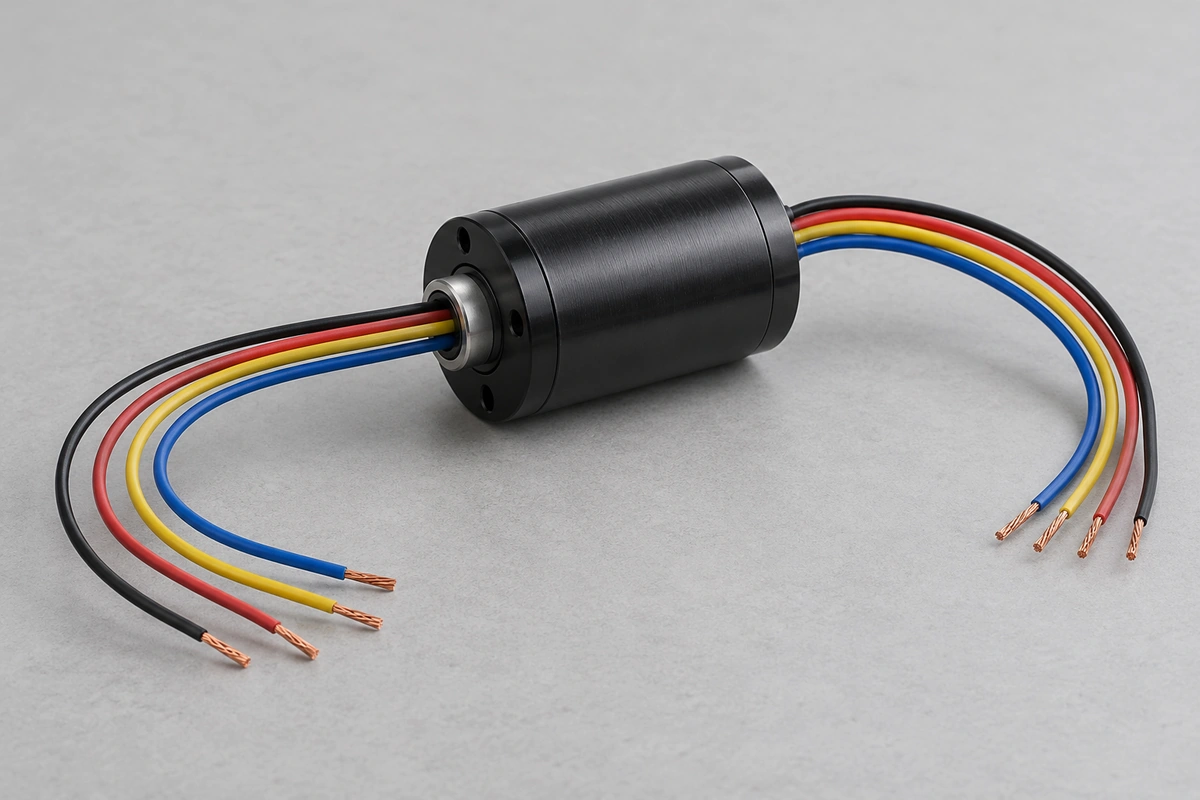
Read article: Rotary-union RFQ: map the duty of every passage → Map each slip-ring circuit to its documented function and exact interface requirement instead of treating circuit count as proof of compatibility.
Read article: Slip-ring RFQ: separate power, signal and control requirements → Distinguish load-holding and load-separating torque-limiter proposals before comparing dimensions, ratings or replacement prices.
Read article: Torque-limiter RFQ: preserve the overload operating principle → Capture manufacturer, complete suffixes and machine position so a bearing quote identifies the actual variant and any proposed substitute.
Read article: Replacement bearings from China: keep the full designation →