
Wholesale for Europe (EU)
Wholesale Industrial Spare Parts for Europe: EU Import Rules for Small Lots From China
Distributors, machine builders, maintenance contractors and repair firms in EU countries buy small wholesale lots of bearings, O-rings, couplings, flanges and gearmotors from China, often to serve customers in more than one member state. This page covers, at a high level, how import VAT, tariff classification, EORI numbers and product-marking duties work for that kind of order, and which ports and routes are typical.
Europe differs from other regions because import VAT is charged in the member state where goods are cleared, at that country's rate, and because goods can be cleared in one state and moved on to another. CE marking and an EU economic operator may be required for some products. Because rules and rates change, ask a customs broker to confirm each point before you order. Our side of the work is buying, inspecting and consolidating in China.
What to know before you import industrial spare parts into Europe (EU)
Import VAT in the clearing state
Import VAT is charged in the member state where the goods are cleared, and rates differ by country. That makes the choice of clearance point a tax and cash-flow decision as well as a logistics one. Goods can be cleared in one member state and moved on, so ask a broker where clearing makes sense for your sales.
Duty and customs value
Duty follows the EU customs tariff (TARIC) by classification and origin. Customs value includes international freight and insurance up to the EU border, so duty is calculated on more than the goods price. Bearings, seals and gearmotors may each classify differently, so ask the broker for the rate on each code.
EORI and an EU-based operator
Any commercial importer needs an EORI number. Many consumer products need CE marking and, under the EU General Product Safety Regulation, an economic operator established in the EU, either the importer or an authorised representative, must be identified. Industrial spares may fall under other product rules, so check which apply to each item.
Material and chemical rules
Chemical and material rules, REACH among them, can matter for plastics and rubber. Several spare-part types here are rubber seals, nylon or TPU couplings and composite bushings. Ask the broker or a compliance adviser whether any material requirement applies to the items you plan to import, and ask sellers for material information where it exists.
Small-lot cost and final checks
Consolidation lowers cost per unit because fixed clearance, port and delivery charges weigh more on small lots. Before ordering, confirm classification, import VAT treatment in the clearing state and product-marking duties. Rules and rates change, and VAT rates differ by country, so reconfirm before each order rather than relying on memory.
Customs rules, rates and product requirements change. Treat this page as orientation and confirm the current position for your exact product with a licensed customs broker or the national customs authority before you order.
Routes and timing for Europe (EU)
Typical European gateways are Rotterdam, Hamburg and Antwerp, with sea time of roughly 4-6 weeks door to door. Because goods can be cleared in one member state and moved on, a buyer serving several countries can consolidate one mixed shipment, clear it at a single gateway and distribute inland. Choose the gateway with your forwarder by delivery address and by the VAT treatment of the clearing state.
A small wholesale plan for Europe (EU)
Choose the clearing member state
Decide with a customs broker where the goods will be cleared, since import VAT follows that country's rate. Confirm your EORI number and ask which items on your list raise CE marking or economic operator questions.
Sample each product family
Order one piece of each part family that matters, such as a coupling size and an O-ring compound. We inspect them at our warehouse, and you review photos and material information before committing to quantity.
Consolidate once and move on
Ship one consolidated lot to Rotterdam, Hamburg or Antwerp, clear it in the chosen state and distribute onward to customers in other member states, as your broker advises.
Listings buyers in Europe (EU) ask about
-
Machined flanges and spacers
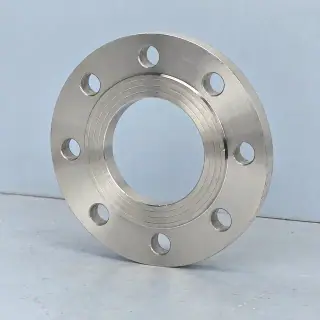
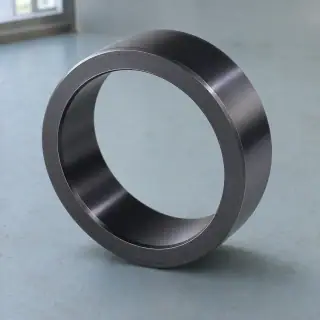
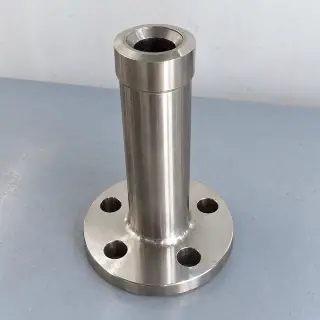
5 archived listings, observed $0.70–$3.96.
-
O-rings and seals
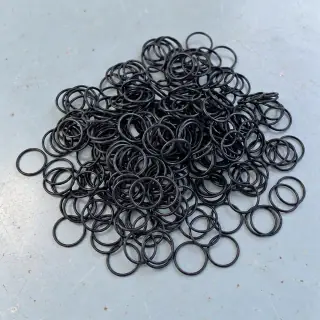
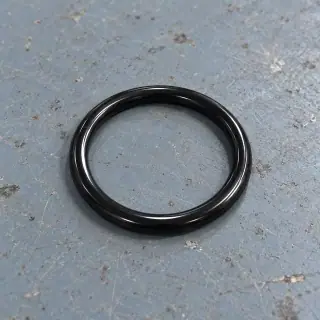
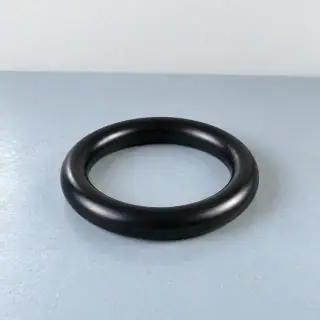
11 archived listings, observed $0.02–$1.44.
-
Torque limiters
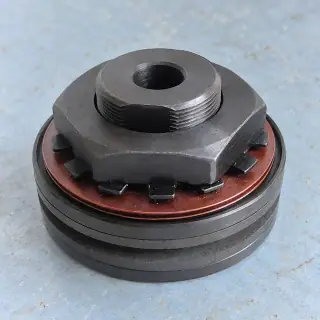
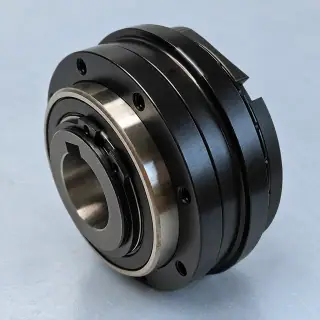
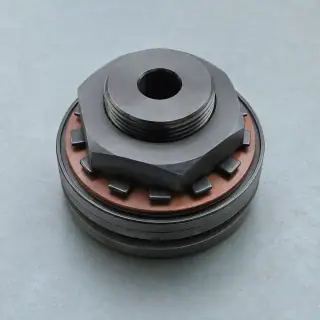
11 archived listings, observed $2.30–$262.
-
Couplings
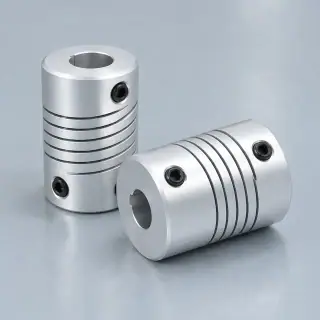
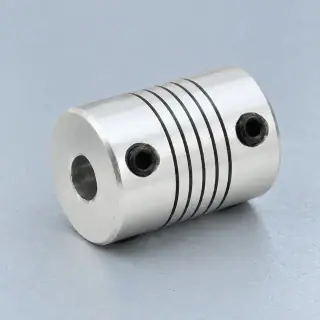
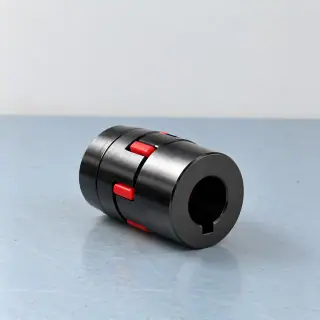
11 archived listings, observed $0.38–$22.50.
-
Bearings
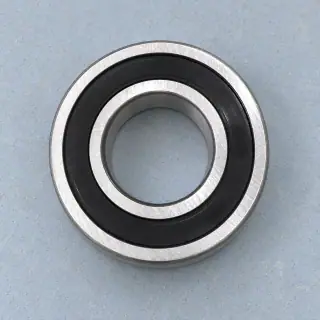
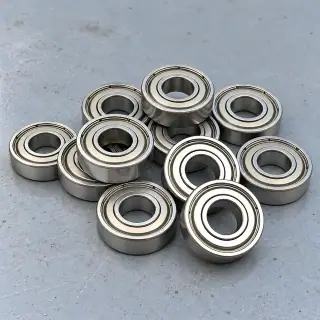
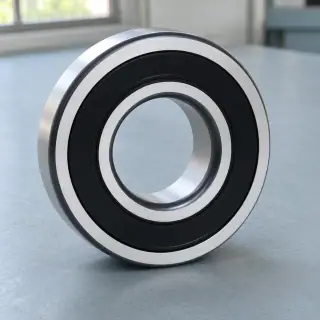
11 archived listings, observed $0.11–$1.14.
Wholesale industrial spare parts for Europe (EU): questions
In which country is import VAT paid when spare parts from China enter the EU?
Import VAT is charged in the member state where the goods are cleared, and rates differ by country. If you clear in one state and move the goods on, the treatment can differ from clearing at the final destination, so agree the clearing state with a broker before the order is placed.
Can I clear a mixed spare-parts shipment in one EU country and send it on?
Yes, goods can be cleared in one member state and moved on. This suits distributors who serve several countries from a single gateway such as Rotterdam, Hamburg or Antwerp. The tax and paperwork consequences depend on the states involved, so ask your broker to confirm the route before shipping.
Do industrial spare parts need CE marking to enter the EU?
Only for some products. CE marking applies to many products, and a gearmotor with an electric motor may raise the question more than a bearing or an O-ring does. Ask a broker or compliance adviser item by item, and ask the seller what documents exist for each part.
What is an EU economic operator and do I need to name one?
Under the EU General Product Safety Regulation, an economic operator established in the EU, either the importer or an authorised representative, must be identified for many consumer products. Whether that duty reaches your spare parts depends on the product, so check with a compliance adviser before the first order.
Importing to another market?
Planning a first order for Europe (EU)? Tell us the items, the quantities and the delivery address and we return an itemised delivered price, with the sample-first option laid out.
Plan a small order