The elastomer named, not "rubber"
Specify the actual elastomer compound and confirm the manufacturer’s data for the fluid, temperature, pressure and motion. A broad material-family name is not a universal suitability guarantee.

What we can help you buy on 1688
Last updated
A seal selection needs geometry, compound and service conditions, including pressure, temperature, motion and media. A listing that says only "rubber" leaves important requirements unresolved.
Specify the actual compound and evaluate compatibility with the application. Appearance and nominal size cannot establish performance or a predictable failure time.
When comparing an oil seal manufacturer in China, send the shaft and bore sizes, width, lip design, compound, hardness and operating conditions, and ask for the compound to be named on the quote rather than generic rubber.
Request a quote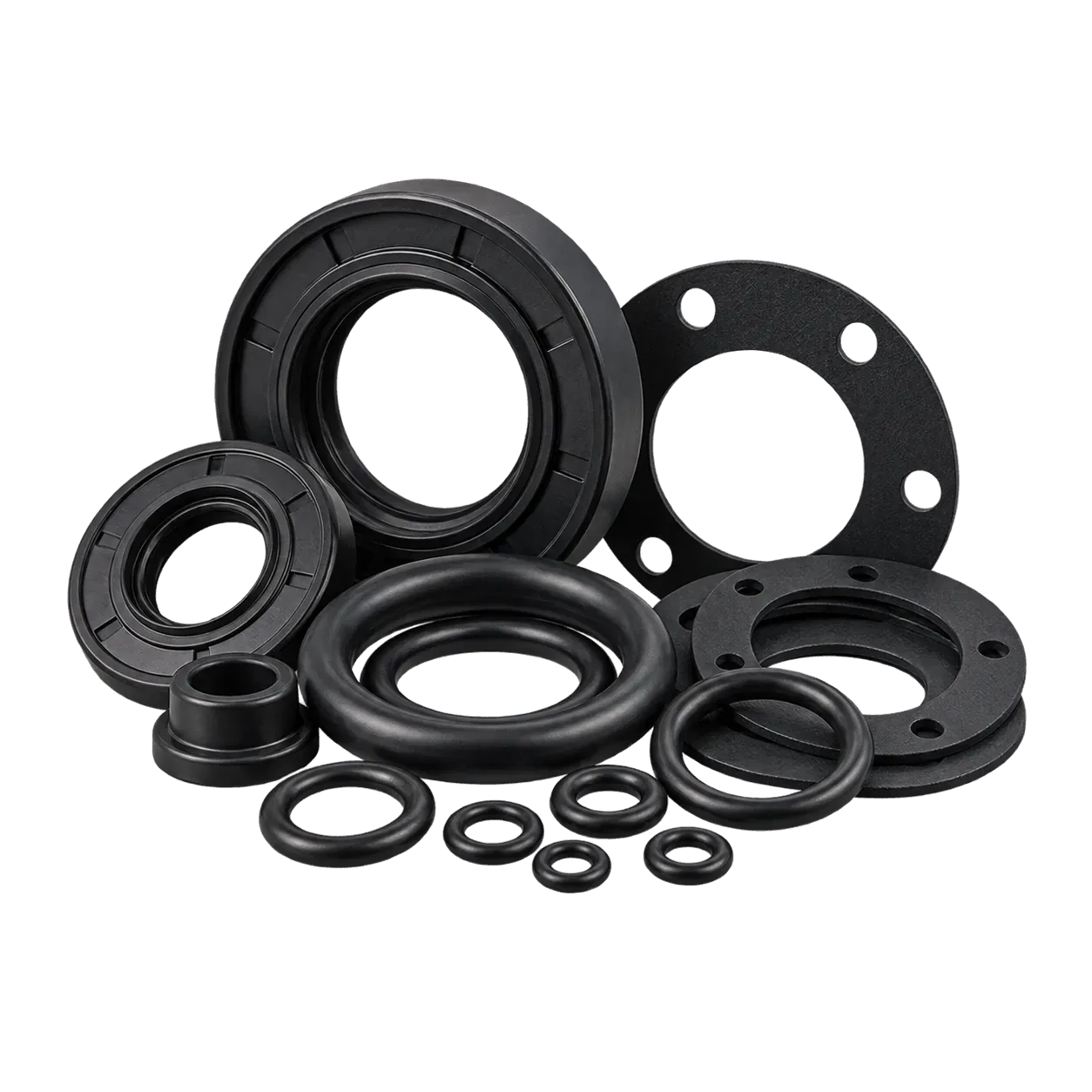
Specify the actual elastomer compound and confirm the manufacturer’s data for the fluid, temperature, pressure and motion. A broad material-family name is not a universal suitability guarantee.
State the required hardness scale, range and test method where applicable. Hardness is one input alongside groove design, clearances, compound and operating conditions; a used seal may not retain its original properties.
A compound rated for the temperature but not for the fluid degrades quietly. Both need checking against the application, not just one.
Record sample condition and measure the housing where possible. Swelling, compression set and wear can alter the sample; do not infer an unworn nominal dimension by an undocumented adjustment.
For an O-ring, confirm inside diameter, cross-section and tolerances against the applicable housing design, then verify material and service suitability. Two matching dimensions alone do not complete the specification.
Agree visual criteria for flash and surface defects plus any required tests for material or cure. Hidden voids and cure state cannot universally be established by photographs or visual inspection.
Bring your product links and specifications to your sourcing request.
Request a quoteBuying notes
Separate individual PTFE gasket segments from complete drawing-defined sets so package quantities do not overstate the purchased gasket supply.
Read articleKeep PTFE sheet form, filler declaration and released grade visible so a cheaper sheet is not mistaken for the same gasket material.
Read articleResolve what fluid contacted a received seal and whether the actual compound and exposure have been assessed before accepting a protective-oil explanation.
Read article