
PTFE sheet RFQ: identify the filler and exact grade
Keep PTFE sheet form, filler declaration and released grade visible so a cheaper sheet is not mistaken for the same gasket material.
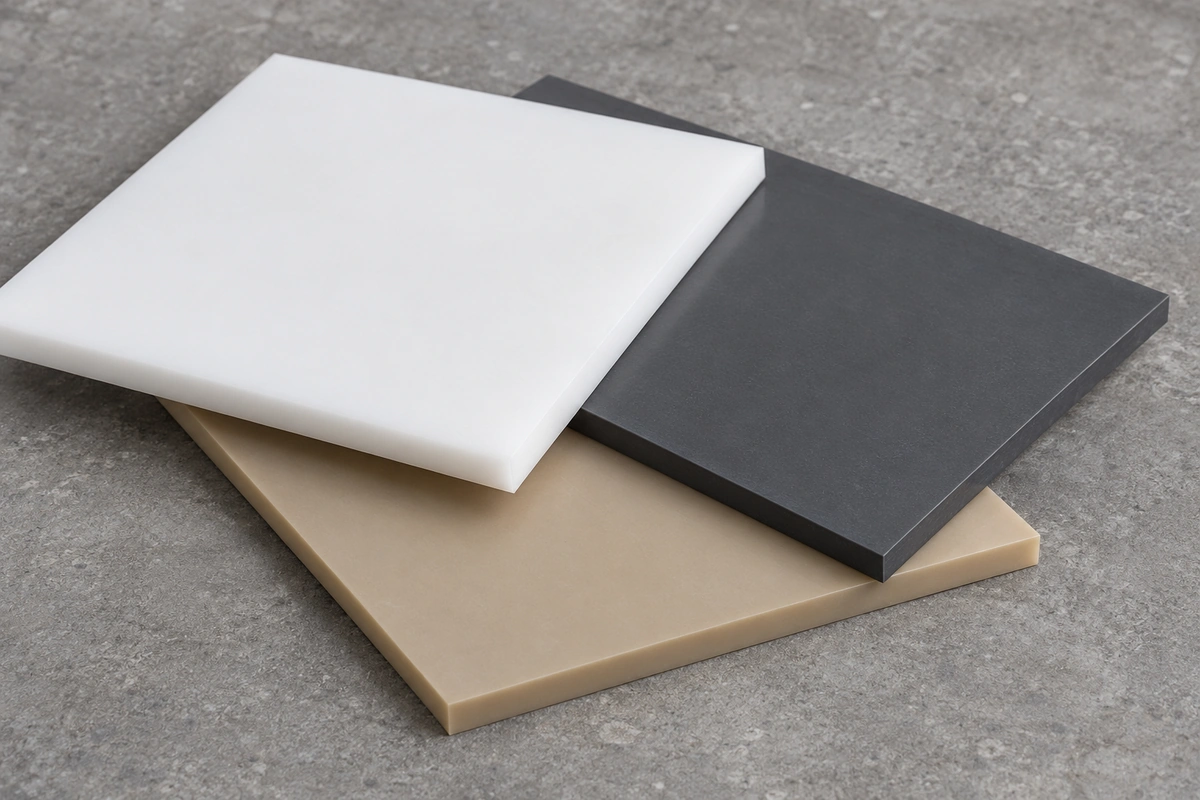
A quote for “PTFE gasket sheet” may answer a material family while leaving the actual formulation unresolved. The buyer needs to know whether the offered sheet preserves the released grade, including any filler or reinforcement declaration, rather than merely matching thickness and color.
A lower price may reflect a different material proposal. Make that difference explicit before comparing the commercial result. This article organizes the grade decision; it does not select a gasket material for an unknown process or calculate a flange joint.
PTFE is the starting description, not the complete grade
EagleBurgmann's product overview distinguishes Burachem Blue with hollow glass microbeads, Brown with silicate, White with barium sulfate, Multi made from ePTFE, and V described as virgin PTFE without added filler or reinforcement. Those are named manufacturer examples of different sheet descriptions, not a ranking or a universal color code. EagleBurgmann PTFE gasket-sheet entries
Do not use a color photograph to assign a filler. Ask for the offered manufacturer's exact grade and its datasheet. If a supplier uses a private trade name, require the technical document that defines that trade name; resemblance to another brand's sheet does not establish the same formulation.
The required product form also matters to the identity question. If the released record names ePTFE, retain that designation instead of shortening it to PTFE. Where a document says virgin, filled or modified, preserve the actual language and ask the supplier to explain any different terminology.
Start from the released gasket-material record
Collect the material specification, its revision and the intended component reference. If buying sheet for later cutting, distinguish the sheet requirement from the finished-gasket drawing. If buying cut gaskets, identify both the material and geometry requirements so an acceptable outline cannot conceal a changed sheet grade.
Ask the technical owner to resolve missing service information and any required compliance evidence. Broad chemical-resistance language on a family page is not a compatibility assessment for the actual medium and duty. No blanket food-contact, pressure or temperature approval should be inferred from the polymer name.
Keep thickness and its specified tolerance in separate fields from formulation. Do not invent a tolerance or assume the sheet's nominal thickness establishes the finished joint condition. The person responsible for the gasket application must determine the relevant acceptance requirements.
Request a formulation comparison without inventing chemistry
The supplier response should name the exact grade, product form and declared filler or reinforcement. Request a current supporting datasheet and record which required fields it establishes. A safety data sheet or generic material brochure may be useful for its own purpose without proving all grade and dimensional requirements.
If filler content is not disclosed, say so. Do not estimate a percentage from density, color or an unrelated catalogue. Ask the technical owner whether the available grade-level evidence is enough or whether another declaration is required.
An alternative should remain separate from the baseline line item. Have the seller identify the change directly, including whether it proposes a different filler, an unfilled grade or a different PTFE form. The buyer can then ask for an informed decision instead of accepting an unnamed “equivalent.”
A fictional saving with a changed sheet
A buyer requests a released filled-PTFE grade. Offer A quotes that grade with its product document. Offer B is cheaper but describes only “pure PTFE sheet” of the same thickness. The two offers do not yet describe the same requirement.
Ask B to confirm whether it is proposing an unfilled alternative and provide its exact grade. Return that change to the application owner. Do not treat “pure” as proof of superior performance, or the price difference as a saving on the specified material. This example gives no actual prices and recommends neither option.
Build a grade-control worksheet
| Record field | What the buyer should preserve |
|---|---|
| Released grade | Specification, grade name and revision defining the required sheet |
| PTFE form | Required and offered product description, retaining ePTFE or other explicit distinctions |
| Filler declaration | Declared filler or reinforcement and any unavailable composition detail |
| Thickness specification | Nominal thickness and approved tolerance, separate from grade |
| Supporting datasheet | Exact offered product, publisher, revision and fields actually supported |
| Change approval | Decision on a different formulation; no implied approval from price or color |
At order release, retain the exact grade and document reference. If the seller's paperwork later uses only “PTFE,” reconcile that description before accepting it as evidence of the approved supply.
Write the quotation line around the formulation
“Please quote the released sheet grade and form at the specified thickness. Declare the filler or reinforcement as supported by your product documentation. List any different formulation separately and identify unanswered requirements. Quote sheet dimensions, supply quantity and cutting scope independently.”
Use the seals and gaskets sourcing category and spare-parts inquiry to begin. The purchasing team can organize responses, while the responsible specialist must assess material suitability for the actual gasket application.
The inquiry image field accepts up to five PNG, JPEG, WebP or GIF files, no more than 10 MiB each and 20 MiB combined. A supported marketplace link, a short description or screenshots can start the request. It is not a PDF, CAD or ZIP upload field; arrange other technical files through a separately agreed, authorized exchange.
Does white PTFE sheet always mean unfilled material?
Do not identify formulation by color. Obtain the exact manufacturer’s grade declaration and supporting datasheet.
Is pure PTFE automatically better than a filled grade?
No general ranking resolves the application. Compare the proposed formulation with the released requirement and obtain the responsible technical decision.
Can I compare quotes on thickness alone?
Thickness is one field. Keep grade, PTFE form, filler declaration, dimensions and supply scope visible before treating offers as comparable.
What should I do when filler percentage is not published?
Record it as unavailable rather than estimating. Ask the technical owner whether the grade-level documentation is sufficient or further evidence is needed.
Sources
Discuss a sourcing request related to this article.PTFE sheet RFQ: identify the filler and exact grade