
Reverse-engineering handover: measured shape is not released design
Separate traceable measurement evidence from the design decisions needed to turn a worn spare into an approved replacement drawing.
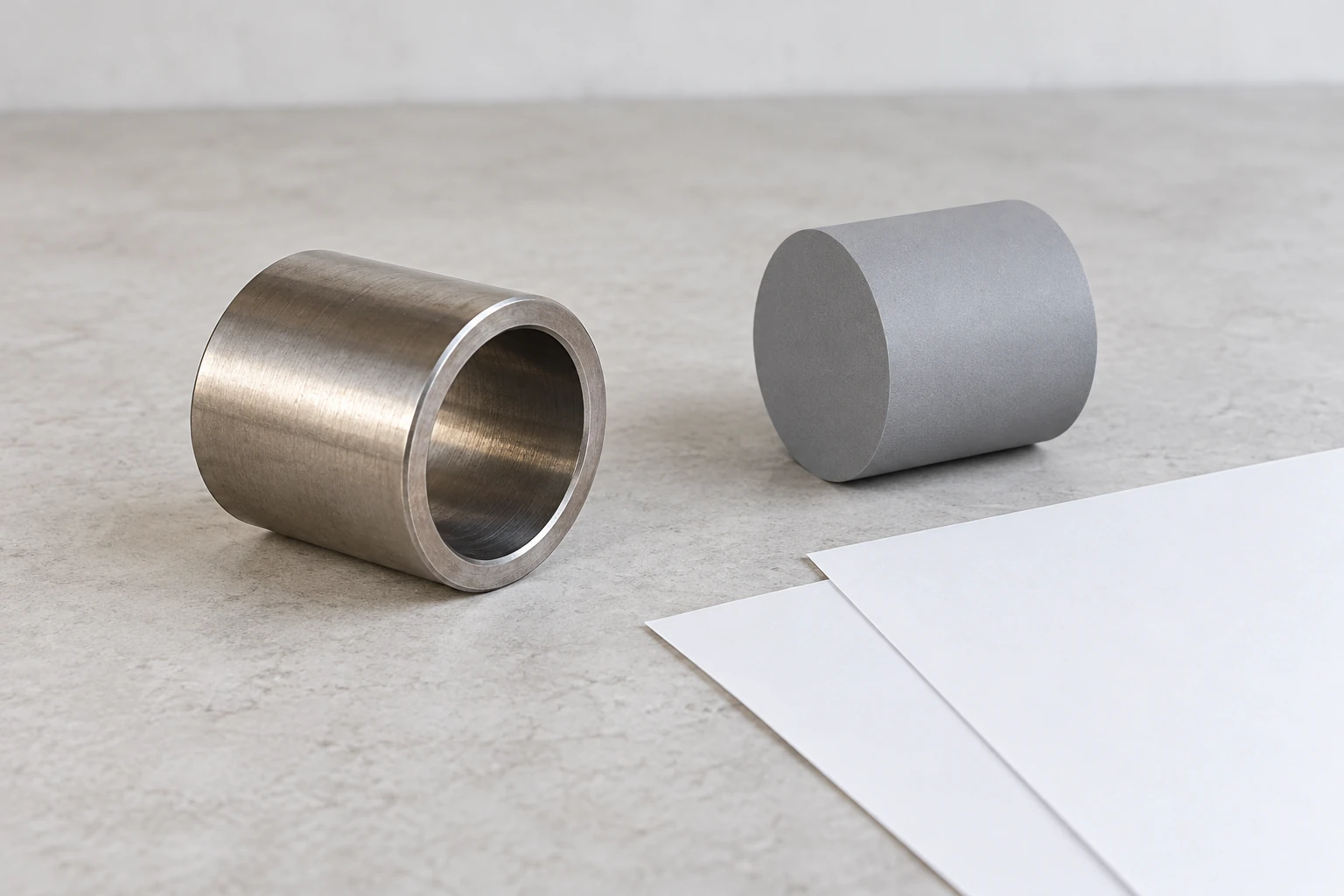
A measurement report on a used spare can be a valuable input to a replacement drawing. It does not, on its own, establish the original design dimensions or the tolerances a new part should meet. The handover should distinguish observed evidence from the engineering decisions that turn that evidence into a released requirement.
This matters commercially when one quote covers measurement only and another covers an agreed design deliverable. Ask both providers to state their scope before comparing prices or calling the resulting files production-ready.
Keep traceability attached to results
NIST's policy treats metrological traceability as a property of measurement results supported through documented calibration chains and uncertainty. It also states that traceability alone does not guarantee fitness for purpose. The result provider supports the claim; the user assesses it. NIST traceability policy
That does not make NIST the certifier of a supplier's replacement design. Ask for the evidence supporting the specific reported results and let the responsible reviewer assess their adequacy for the intended decision. A statement that an instrument is traceable is not a substitute for understanding the reported quantity, uncertainty and context.
Separate three layers in the handover
The first layer identifies the sample and its known condition. Record whether it is the actual used item, an unused comparison sample or another reference, and preserve any unknown history. Do not label an observed surface as unworn without evidence.
The second layer contains the measurement report as issued, including feature references, units and stated uncertainty or limitations. Preserve the original report even if a clearer summary is prepared. If a feature was not covered, leave it unmeasured rather than inferring it from a symmetrical-looking area.
The third layer is the authorized design decision. It identifies which replacement requirements the technical owner has released, which assumptions need resolution and which evidence supports each decision. The coordinator must not copy every reported value into a nominal dimension field and call that an approved drawing.
A fictional worn-bushing file
Suppose a used bushing is measured and the supplier delivers a model labelled measured sample. A purchasing summary renames it new replacement and sends it for production. There is no decision explaining whether observed wear was retained, corrected or otherwise addressed in the design.
Restore the distinction. Keep the model as an observation-derived deliverable and ask the owner to define the replacement requirement and remaining verification scope. A precise measurement of the sample would still not answer the missing design-intent question. No wear allowance or nominal dimension is invented in this example.
If the owner releases a replacement drawing later, link its requirement decisions to the evidence and approval record. The measurement report remains useful in its own role; it has not become the approval itself.
Define the commercial deliverable
| Deliverable | Boundary to agree |
|---|---|
| Sample record | Identity, known condition and gaps in history |
| Measurement evidence | Features covered, report reference and interpretation limits |
| Observation-derived model | What it represents and what was inferred or omitted |
| Replacement definition | Released requirements and named design authority |
| Additional work | Unresolved characteristics, provider and agreed next scope |
Specify who must answer a design gap before manufacture. Also establish the authorized exchange and use of the supplied technical files; possession of a sample does not settle permission to reproduce protected designs. This article makes no legal determination. Its handover method keeps measurement, engineering and purchasing responsibilities visible without supplying a reconstruction procedure.
Send the bounded handover question
Use the machined-parts category and Spareparts sourcing request to describe the item and unresolved purchasing question. Independent aftermarket or unbranded buying coordination and supplier negotiation do not establish manufacturer affiliation, original-equipment supply, specialist technical capability or engineering approval.
The initial form accepts a supported marketplace HTTPS link, an 8–1200-character description or screenshots. It accepts up to five PNG, JPEG, WebP or GIF images, no more than 10 MiB each and 20 MiB combined. PDF, CAD and ZIP files require a separately agreed authorized exchange; the image field is not a technical-file portal.
Frequently asked questions
Does a traceable measurement recover the original nominal dimension?
No. It supports a reported observation within its uncertainty and context. Recovering or defining replacement requirements is a separate engineering decision.
Can the measured sample model be labelled production-ready?
Only the responsible release process can establish its approved use. Preserve observation-derived status until design assumptions and requirements have been resolved.
Does a NIST reference certify the supplier’s part?
No. NIST’s policy explains measurement traceability and its limits. It does not certify this supplier’s replacement design or product.
How should measurement-only and design quotes be compared?
First separate their deliverables, decision ownership and uncovered characteristics. A lower measurement quote may exclude the replacement-definition work needed by the buyer.
Sources
Discuss a sourcing request related to this article.Reverse-engineering handover: measured shape is not released design