
Split-seal pack lists: distinguish shipping and installation spacers
Keep documented spacer roles visible so a packing cleanup does not treat every temporary-looking split-seal component as disposable material.
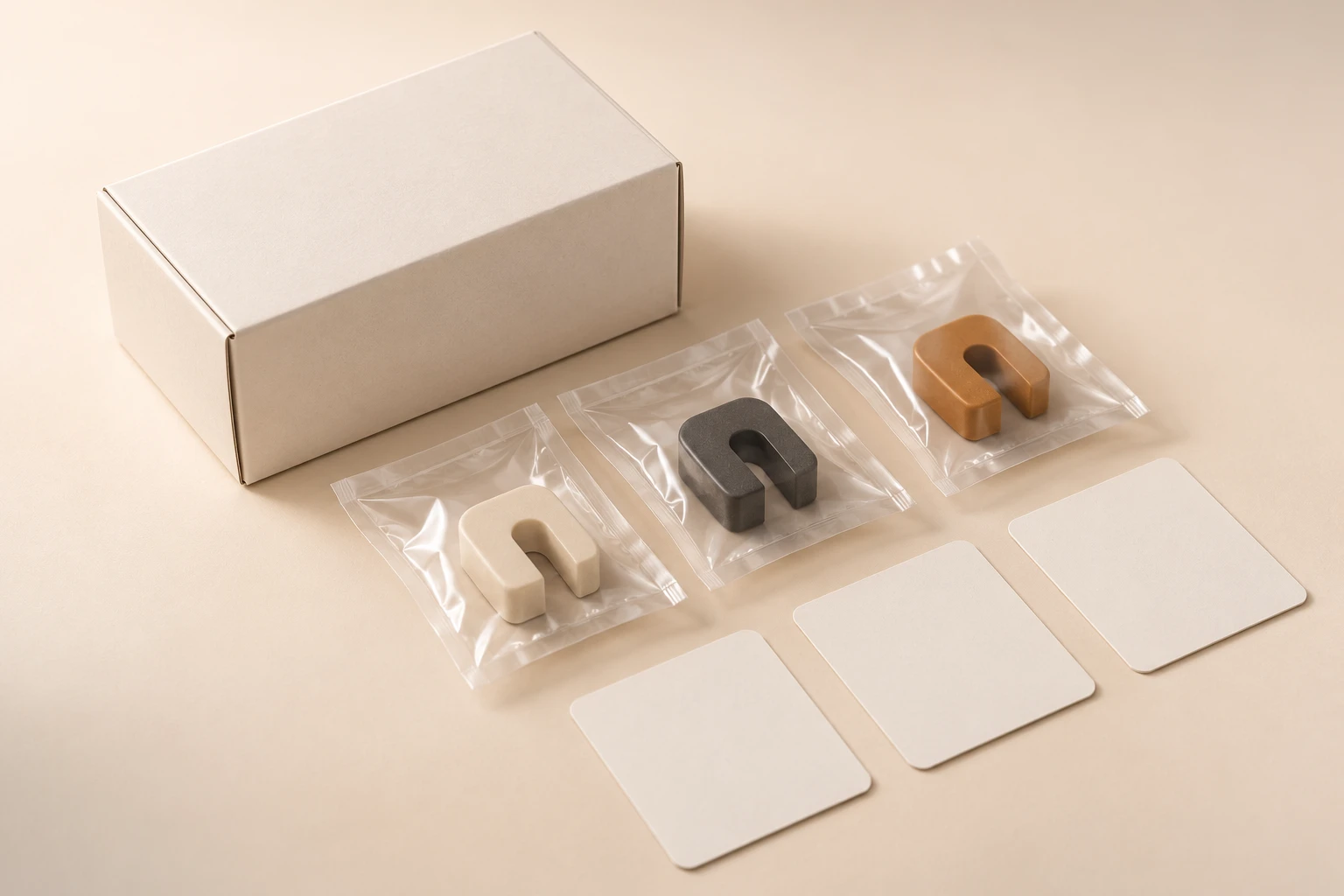
A split-seal pack list should not collapse every spacer into one line called packing pieces. When the applicable product document distinguishes shipping and installation roles, the purchasing record needs to preserve those roles through handover. A cosmetic cleanup instruction cannot decide which pieces are expendable.
Start with the exact supplied seal and its applicable documentation. This article identifies scope and references only. It supplies no spacer-removal, refitting, face-contact or installation instructions.
Read the manufacturer's names literally
Chesterton's 442C component identification separately names a rotary-holder installation spacer, rotary-holder shipping spacer and gland shipping spacer. Its instructions give shipping and installation spacers different roles and include a later retention direction for installation spacers. These observations concern that named seal; they are not a generic rule for every temporary-looking plastic piece. Chesterton 442C instructions, component identification and installation sections
Obtain the actual supplied-product document and keep its precise item names. A shortened label such as spacer can lose the distinction that makes the destination record useful. Where a supplier uses different terminology, ask for a cross-reference rather than assigning a role from color or position.
The 442C instructions also call for original packaging in transport and storage. Keep any consolidation proposal within the applicable product requirements; a renamed packing list is not permission to alter the supplied state.
Build a role map without turning it into a procedure
For each documented item, record the provider's name, the assembly it belongs to, its stated role and the destination instruction reference. The reference tells the authorized technical recipient where the governing information is; the pack list should not paraphrase physical steps into informal warehouse directions.
Distinguish a supplied item from loose outer packaging, but leave an unidentified item unresolved. The buyer should not label it disposable merely because it appears temporary. Likewise, do not require a generic spacer to be added where the actual product has no such documented requirement.
Ask the provider whether the packing record accounts for each relevant documented role. The answer can point to an intact original supplied assembly rather than a bag of loose pieces. Do not create a counting request that requires dismantling it.
Make any discard proposal explicit
When a packer proposes removing shipping extras, ask exactly which item and which action it means. Approval of an outer carton redesign does not authorize removing a product-associated component. Retain the current supplied state while the responsible provider resolves the boundary.
If the proposal only changes an administrative description, it can still matter. A destination label saying discard all spacers conflicts with a document that distinguishes later-use or retained items. Correct that wording through the product-information owner before it accompanies the shipment.
Keep destination responsibility visible. A general receiving coordinator should not be asked to interpret installation phases or decide removal timing from the packaging worksheet. The record should name the appropriate technical recipient and applicable document, without assuming that a specialist service has been purchased.
A fictional cleanup instruction
Imagine a packing brief for a documented split seal says remove packaging spacers for a cleaner presentation. The provider's parts record distinguishes shipping and installation spacers, but the brief names neither. All details of this scenario are invented.
The buyer asks for the exact item identity and provider disposition before allowing the proposed change. A photo of several plastic pieces cannot answer their roles. If the packer instead means deleting a generic label from an outer sleeve, correct the label while keeping the product's original supplied state unchanged.
Now suppose the destination insert says all temporary pieces may be discarded. That remains an information problem even if no physical removal occurred. Ask for accurate provider-approved wording referring the technical recipient to the applicable instructions. Do not invent a new discard schedule.
Keep a spacer-role handover record
| Record field | Evidence to retain |
|---|---|
| Exact seal | Supplied reference and applicable instruction revision |
| Documented item | Unshortened provider name and component reference |
| Role | Shipping, installation or unresolved role as actually documented |
| Pack representation | How the intact supplied item is accounted for without new disassembly |
| Proposed change | Exact removal or wording change requiring provider disposition |
| Destination reference | Technical recipient and applicable instruction, with no improvised steps |
This is an editorial scope sheet. It is neither an installation checklist nor evidence that the seal was correctly assembled.
The final record should preserve each applicable role, identify the covered supplied state and remove unsupported blanket discard language. Pair provenance remains a separate question: identifying an installation spacer does not establish that gland or face halves belong together, just as preserved pairs do not settle the spacer-role information.
Bring the specific packing question into the inquiry
Use the Seals and gaskets category and Spareparts sourcing request to identify the approved item and exact proposed change. The site provides independent aftermarket/unbranded buying coordination and supplier negotiation. Manufacturer examples do not establish affiliation, original-equipment supply, specialist packing capability or engineering approval.
The initial form supports an eligible marketplace HTTPS link, an 8–1200-character description or screenshots. It accepts up to five PNG, JPEG, WebP or GIF images, at most 10 MiB each and 20 MiB combined. PDF, CAD and ZIP files need a separately agreed authorized exchange; the image field is not a technical-file portal.
Are all spacers just disposable packaging?
No such general rule follows. The named 442C document distinguishes shipping and installation components. Identify the actual item and retain its documented role.
Can a packer remove spacers for presentation?
Keep the exact action pending until the responsible provider resolves it against the applicable product requirements. Outer artwork approval does not authorize changing the seal.
Should the packing list include removal instructions?
Use the governing destination document reference and responsible technical recipient. Do not create informal removal or refitting steps in the packaging record.
Does this role map establish matched seal halves?
No. Component role and pair identity answer different questions. Preserve the separate provider evidence needed for each.
Sources
Discuss a sourcing request related to this article.Split-seal pack lists: distinguish shipping and installation spacers