
Seal Repair Classes: Check What the Price Leaves Outside the Journey
Tie a seal repair-class offer to the actual assessed scope before closing the repair-and-return movement budget.
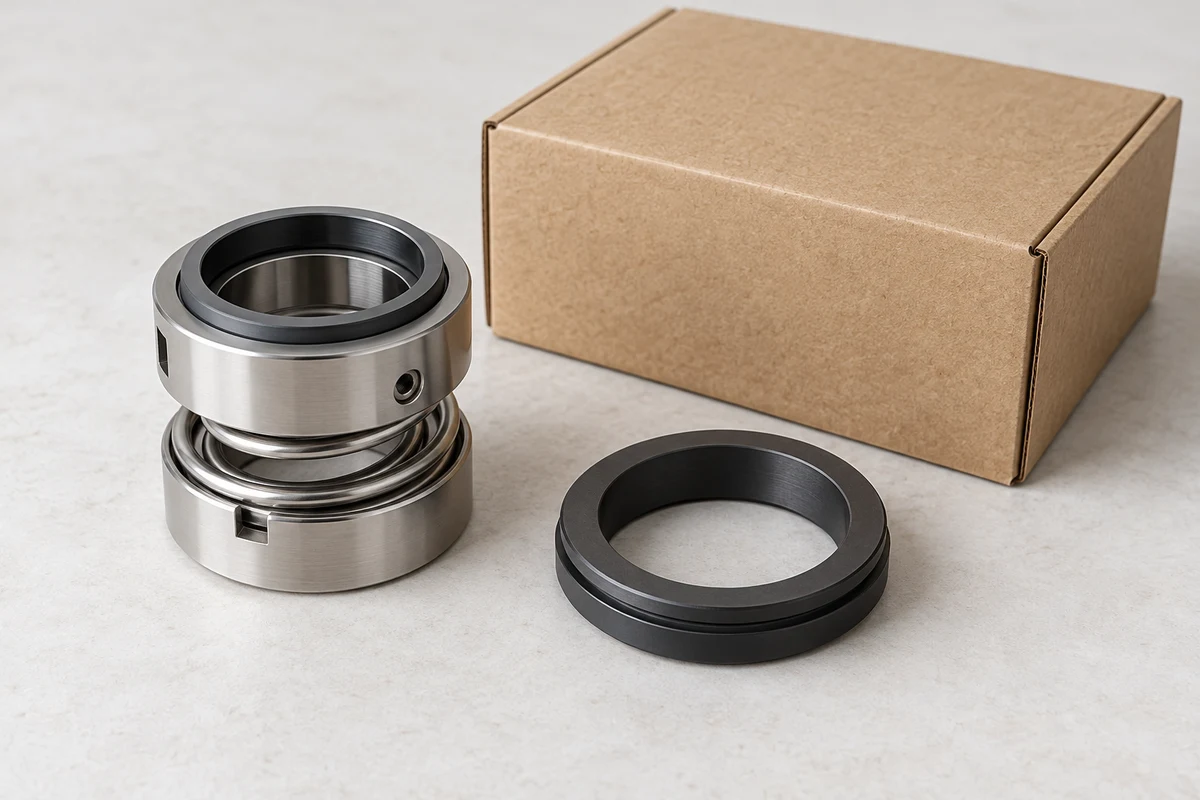
A seal repair-class price is useful only when the provider has connected that class to the actual proposed repair. A class label in a programme description or an earlier job record does not establish the classification of the current seal, and it does not automatically describe the freight included.
Before authorizing the next dependent commitment, distinguish a provisional class assumption from an attributable provider decision. Then record the outward and return movements inside or outside that offer. This article is a purchasing method; it does not classify damage or select a repair procedure.
Establish what the class refers to
EagleBurgmann's Repair Class Program describes classification of repair scope, repair-order processing and documentation, with the service scope and cost set out through the programme. Its public page supplies no class table or freight-inclusive price for the reader's seal.
Ask the actual service contact to identify the unit, the class proposed and the evidence or assessment on which that proposal depends. Retain the response with the repair enquiry. An earlier seal of the same model may have required different work; its class is background, not a new classification.
Where the provider requires assessment first, mark the present class as provisional. Ask which purchasing decision can be made now and which awaits its report. Do not label the likely repair total confirmed simply because a generic class price is known.
Keep assessment, class and authorization visible
Record the provider's proposed assessment scope and any actual charges. If a later finding changes the class, preserve the initial assumption alongside the revised proposal. That creates an explanation for the cost change without inventing an error or guaranteeing the initial price.
The relevant technical owner must review the proposed service. Purchasing can check that the quotation and classification reference agree, but cannot establish the repair's adequacy from a class name. A commercial authorization should identify the actual proposal and its conditions.
Ask how a revised scope would be submitted for approval. Avoid treating an original budget allowance as automatic consent to every later class or additional operation. If the proposal remains unresolved, retain that fact in the freight decision rather than silently accepting it to complete the schedule.
Attach movements to the class offer
For each required leg, ask whether it is included, separately priced or still conditional. A programme that describes a process through return does not necessarily supply an all-inclusive carriage commitment. Identify the sending point, recipient and agreed return endpoint in the actual offer.
If the service proposal already includes a specified return movement, do not add another allowance for that same leg. If the description is incomplete, ask for clarification rather than putting zero in the transport column. Any outcome outside the accepted repair scope needs the provider's own terms; no standard rejected-seal charge is established here.
Repair-class commitment worksheet
| Record | Evidence or decision |
|---|---|
| Current seal | Unit identity and service enquiry reference |
| Class status | Provisional assumption or attributable provider classification |
| Assessment basis | Required or completed review linked to the proposal |
| Service offer | Actual scope, price and approval conditions |
| Outward movement | Included, quoted separately or unresolved |
| Return movement | Defined endpoint and actual price treatment |
| Revised class | New proposal and appropriate approval record |
This is an original commercial worksheet, not a manufacturer's classification tool or a substitute for its service documentation.
Fictional example: reusing last year's class
A fictional buyer retrieves an earlier repair quotation for a seal with the same model reference and uses its class amount in a new budget. The current provider has not assessed this unit. The buyer also assumes return carriage is covered because the programme describes a return process.
The buyer asks the service contact for the current unit's classification basis and the offer's movement scope. Until that answer arrives, the class remains an estimate. If assessment leads to another proposal, the buyer presents the changed scope for approval rather than treating the difference as an unexplained freight increase.
The completed record separates classification uncertainty from a transport exclusion. That distinction helps the owner decide which commitment is actually ready. It promises neither a repair result nor a fixed total before the responsible provider has offered one.
Bring a defined question to the supplier
See Spareparts product context for the relevant buying category. Use the Spareparts sourcing enquiry to describe the exact item and unresolved commercial question. Spareparts provides independent aftermarket and unbranded buying coordination and supplier negotiation. The named manufacturers are documentary examples, not affiliations or a claim that Spareparts supplies their branded products or services.
Frequently asked questions
Can I reuse the class from an earlier seal repair?
Treat it as background until the provider connects a classification to the current unit and assessment basis. A shared model does not establish identical repair needs.
Does a repair programme's return process include freight?
Not automatically. Ask the actual offer to identify the movements and price treatment. A process description is not a freight-inclusive quotation.
Who decides the repair class?
The responsible service provider must establish its classification through its applicable assessment. This purchasing worksheet does not classify damage or prescribe repair work.
What if assessment changes the proposed class?
Retain both the earlier assumption and revised proposal, then obtain the appropriate review and authorization. Do not silently extend approval from a different scope.
Sources
Discuss a sourcing request related to this article.Seal Repair Classes: Check What the Price Leaves Outside the Journey